
Watercolour Pet Portraits — The Style That Suits Almost Every Pet
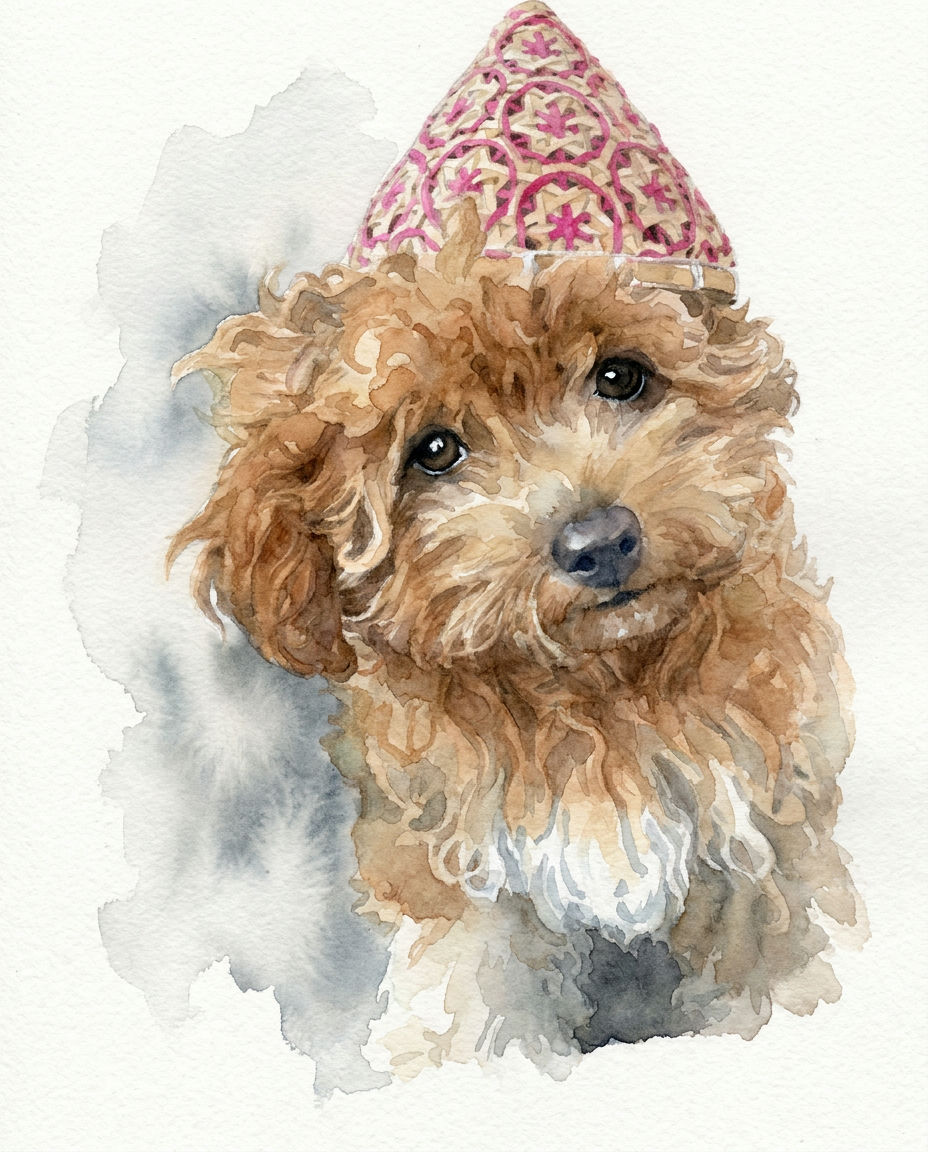
If you are not sure which art style to choose for a pet portrait, watercolour is usually the right starting point. It is the most versatile style in the range — it works across breeds, coat types, colours and species in a way that more dramatic styles do not always manage. The softness of the medium gives it a quality that feels personal rather than grand, which suits a portrait that is going on a wall in a home rather than in a gallery.
Here is what makes watercolour work and when it is the best choice.
What the watercolour style actually does
Watercolour portrait generation works with the natural tones in your pet's coat and amplifies them through the medium's characteristic looseness and light. Where an oil painting adds depth and richness, watercolour adds luminosity — a quality of light seeming to come through the paint rather than sitting on top of it.
The style handles colour transitions well. A multicoloured coat, a dog with patches of different shades, a tabby cat with complex banded fur — these all tend to produce beautiful results in watercolour because the medium's natural tendency to blend and flow suits the way coat colours actually work rather than fighting against them.
The backgrounds in Furcasso's watercolour portraits are typically soft washes of colour that complement the subject rather than compete with it. The effect is a portrait that feels considered and personal, as though someone sat down specifically with your pet in mind.
Which breeds and coat types suit watercolour best
Watercolour works across almost everything, but it particularly suits:
Curly and wavy-coated breeds. Cockapoos, Poodles, Cavapoos, Bichons and similar dogs have coats that respond naturally to the loose, flowing quality of watercolour. The paint does things that feel natural to the coat rather than being imposed on it.
Light and medium-toned coats. Cream, gold, apricot, buff, caramel — these colours take on a luminosity in watercolour that can be genuinely beautiful. The style is not the strongest choice for very dark coats, where the medium's characteristic lightness can reduce contrast. For black or very dark dogs, oil painting or impressionist often produces a stronger result.
Cats of almost every description. Cats and watercolour have a natural affinity that is worth noting separately. The delicacy of the style suits the subtlety of a cat's features, and the soft backgrounds complement most cat fur colours and patterns.
When watercolour is the strongest choice
When the portrait is going in a bedroom or bathroom. The softness and scale of a watercolour portrait suits spaces that are meant to feel calm. It does not demand your attention the way an oil painting or a renaissance portrait does — it invites you to look at it when you are ready, which works well in a room meant for rest.
When the portrait is a gift. Watercolour feels personal and considered in a way that can be harder to read into a more dramatic style. People who receive a watercolour portrait of their pet tend to describe it as feeling made for them rather than made for a wall.
When the animal is younger or lighter in character. Not every pet suits a formal or dramatic portrait style. If your dog is playful, gentle or quietly affectionate rather than dignified, watercolour tends to capture that better than a style built around gravitas.
Getting the most from a watercolour portrait
Any good, clear photo of your pet will produce a reasonable watercolour result, but a few things help.
Natural light produces better results than artificial light or flash. The luminosity of a watercolour portrait comes partly from the tonal quality of the source photo, and photos taken in flat artificial light tend to produce flatter portraits.
A photo where your pet is relatively still and their face is clearly visible works best. Unlike cartoon or pop art styles that can work with a more dynamic pose, watercolour benefits from a settled, present expression.
Avoid photos with very busy or colourful backgrounds. The style adds its own soft background wash, but a lot of visual noise in the original photo can make the portrait feel less clean.
Our photo tips guide covers lighting, angle and framing in detail.
Watercolour versus aquarelle
Furcasso offers both a watercolour style and a separate aquarelle style. They are related but distinct. The aquarelle style has more flow and wash — colours bleed into each other more freely and the overall effect is softer and more atmospheric. The standard watercolour style has slightly more definition and control. Both are worth trying to see which feels right for your pet.
Sizing and where to put it
A4 and A3 are the most common sizes for watercolour portraits. The style does not require a large format to work — the detail and the softness carry even at A4. That said, a well-executed watercolour portrait at A2 on a living room or bedroom wall can be genuinely beautiful.
Framed prints are available from £49.99 with white, black and oak frame options. Free worldwide shipping and a free HD digital copy included with every print order.
-
Is watercolour good for dark-coated dogs?Watercolour is not the strongest choice for very dark or black-coated dogs. The medium's characteristic lightness can reduce contrast in dark coats. For black or very dark dogs, oil painting or impressionist often produces a stronger result. Watercolour is best for lighter, medium and warm-toned coats.
-
What is the difference between watercolour and aquarelle?Furcasso offers both. The aquarelle style has more flow and wash — colours bleed into each other more freely and the overall effect is softer and more atmospheric. The standard watercolour style has slightly more definition and control. Both are worth trying to see which feels right for your pet.
-
What room suits a watercolour portrait best?Watercolour works particularly well in bathrooms and bedrooms where a calm, personal atmosphere is wanted. The style does not demand attention the way oil painting or renaissance does — it invites you to look at it when you are ready, which suits rooms meant for rest.
-
How long does a watercolour pet portrait take?The portrait generates in about 90 seconds. Digital downloads are available immediately. Printed and framed orders dispatch within three to five days with free worldwide shipping.
Keep reading
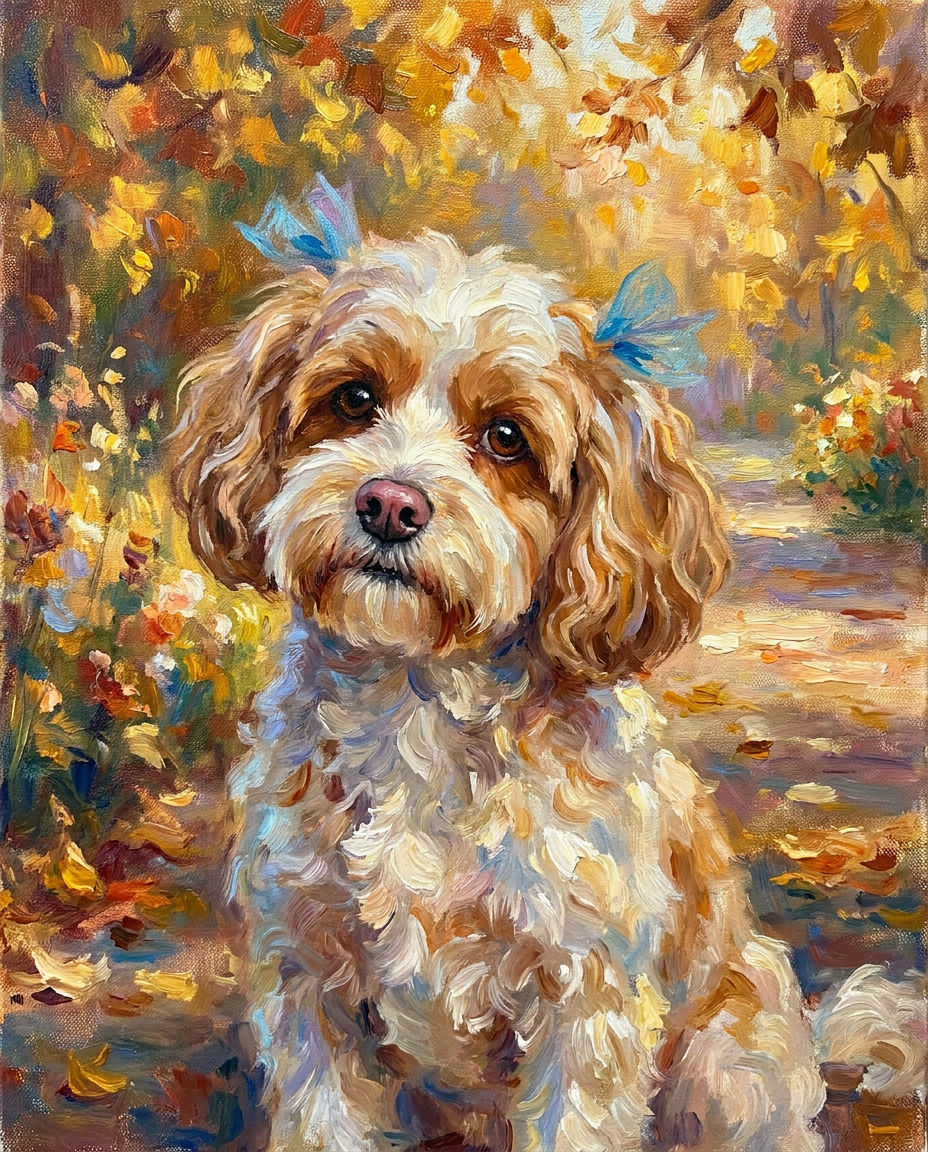
Oil Painting Pet Portraits — When Your Pet Deserves Rembrandt
For most of Western art history, if you wanted a portrait that said something was important, you had it painted in oils. Kings, aristocrats, wealthy merchants — anyone whose status demanded permanence chose oil on canvas. The medium has a r
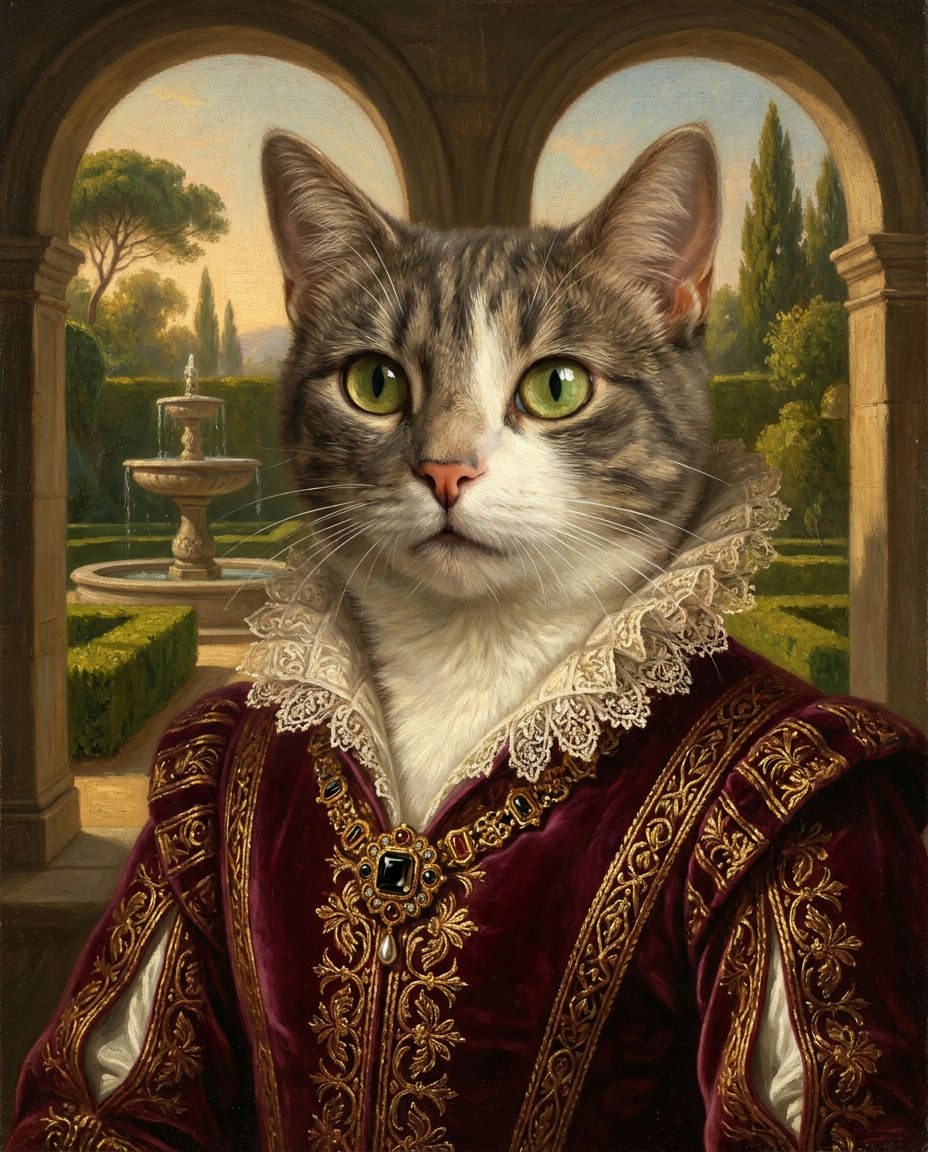
Renaissance Pet Portraits — Everything You Need to Know
Renaissance pet portraits have become one of the most requested styles in custom pet art over the last few years, and it is not hard to see why. There is something about the combination of a beloved animal and the formal grandeur of renaiss
Comments (0)
Be the first to comment.
Comments are moderated before they appear.