
Renaissance Pet Portraits — Everything You Need to Know
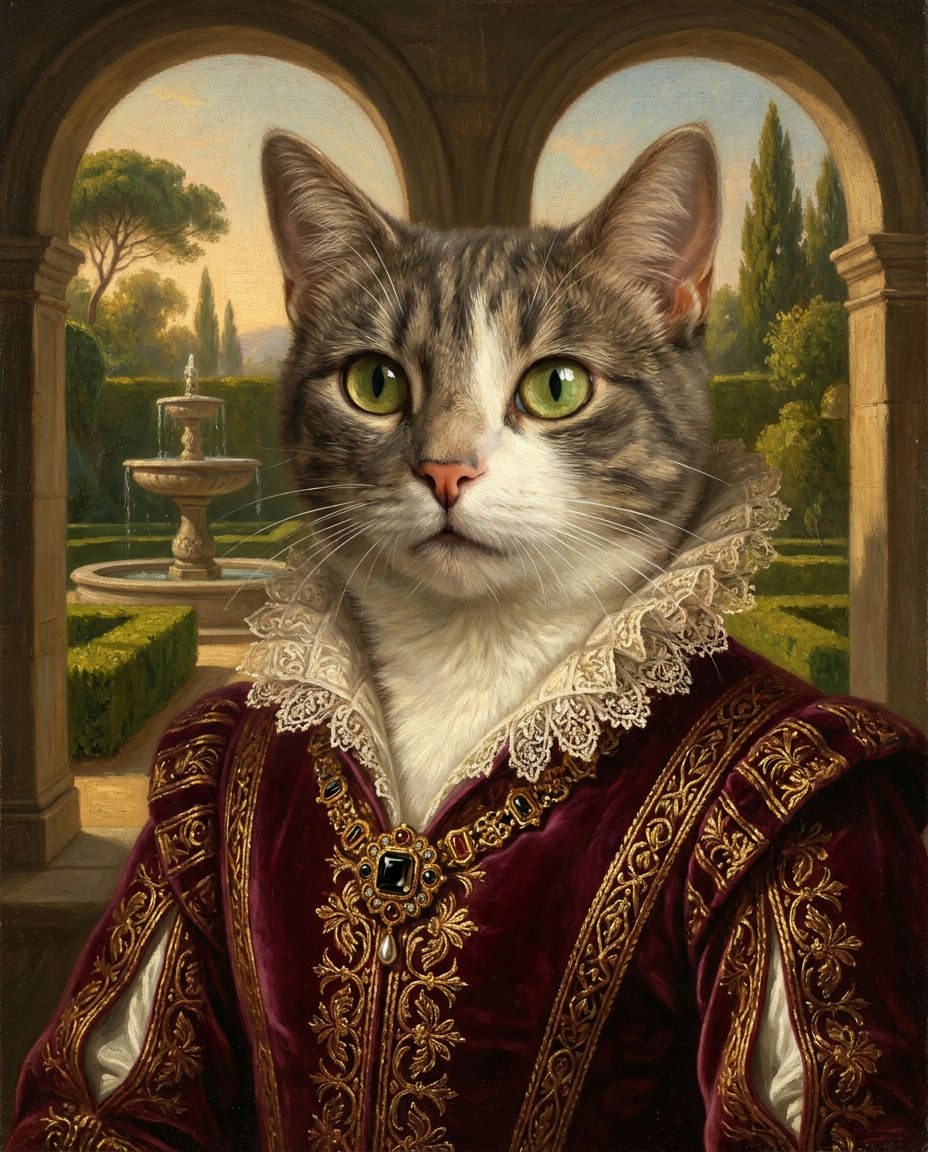
Renaissance pet portraits have become one of the most requested styles in custom pet art over the last few years, and it is not hard to see why. There is something about the combination of a beloved animal and the formal grandeur of renaissance painting that people find irresistible. Serious composition, dramatic lighting, rich colour — and at the centre of it all, your dog or cat looking exactly as distinguished as you always knew they were.
This guide covers what makes the renaissance style work for pets, which breeds tend to produce the best results, and how to get the most out of your source photo.
Why renaissance works so well for animals
The renaissance portrait style was built around capturing the status and character of its subject. When it was applied to people in the fifteenth and sixteenth centuries, it was about making them look important. When it is applied to a pet, the effect is the same — it says this animal mattered, formally and permanently, in a way that a photograph cannot quite achieve.
The dramatic, directional lighting that defines renaissance painting picks out the structure of a face and gives it weight. For dogs and cats, this means the shape of the muzzle, the set of the ears, the depth of the eyes — all the things that make your specific animal recognisable — are given the kind of considered attention that takes a photo and turns it into something closer to a statement.
The dark backgrounds that characterise the style also help. Against a deep, dark ground, an animal's face and coat come forward in the frame with a presence that is genuinely striking. It works for almost every coat colour, but particularly for lighter-coloured animals where the contrast is most pronounced.
Which breeds suit renaissance best
Almost any breed can work in a renaissance portrait, but some suit the style particularly well.
Dogs with longer muzzles and well-defined facial structure tend to produce the strongest results. Labradors, Retrievers, Spaniels, German Shepherds, Greyhounds and similar breeds have the facial geometry that the style works best with. The directional lighting has more to work with when the face has natural depth and structure.
Cats — particularly those with prominent features and good coat definition — can look extraordinary in renaissance style. The style's combination of formality and intensity suits cats well, partly because cats themselves seem to have no difficulty projecting both qualities.
Smaller breeds with flatter faces can work well too, though the results can be more variable. The free preview means you can generate and see before you commit to anything.
What makes a good source photo for a renaissance portrait
The quality of the source photo matters more for renaissance than for most other styles, because the style is trying to render your specific animal with a level of formal precision that relies on having good reference material.
A few things to aim for:
The face should be clearly in focus and well lit. Ideally in natural light rather than artificial, and from the front or slight three-quarter angle rather than from above or below. The classical portrait conventions that renaissance style draws on are almost all shot at eye level or slightly above.
A neutral or dark background in the source photo helps. The style adds its own dark ground, but a busy or brightly coloured background in the original photo can create noise that interferes with the portrait's composition.
The expression matters. Renaissance portraits are formal but not expressionless — they work best when the subject is alert and present. A photo where your pet is looking at the camera or toward it, with open eyes and a settled expression, gives the style the most to work with.
Our photo tips guide covers everything in detail, including lighting and angle.
How Furcasso's renaissance portraits are generated
Furcasso's renaissance style is built on detailed, style-specific prompting rather than a general filter applied to your photo. The generation process preserves your pet's specific markings, coat colour, eye colour and facial structure while applying the compositional conventions of renaissance portraiture — the lighting, the dark ground, the considered framing.
The result takes about 90 seconds. If the first generation is not quite right, you can regenerate or try the Old Masters style, which takes a similar approach with different tonal values and is worth comparing side by side.
Sizing and framing a renaissance portrait
Renaissance portraits work well at A3 and above. The detail in the style rewards a larger print, and the formal quality of the composition suits a prominent position in a room. Living rooms, hallways and home offices are the most common placements, though it goes wherever feels right.
Framed prints are available from £49.99, with white, black and oak frame options. All prints include a free HD digital copy and free worldwide shipping.
See Furcasso's renaissance portraits or start your portrait here.
-
Which breeds suit a renaissance portrait best?Dogs with longer muzzles and well-defined facial structure produce the strongest renaissance results — Labradors, Retrievers, Spaniels, German Shepherds and Greyhounds among them. Cats with prominent features also look extraordinary in the style. Flat-faced breeds can work well too, though results are more variable.
-
What makes a good photo for a renaissance pet portrait?The face should be clearly in focus, well lit from the front or slight three-quarter angle, and at eye level. A neutral or dark background in the source photo helps. The expression should be alert and present — the style rewards a dog or cat that is looking toward the camera with a settled, composed expression.
-
How is Furcasso's renaissance portrait different from a filter?Furcasso's renaissance style is built on style-specific prompting that applies the compositional logic of renaissance painting — the lighting, the dark ground, the considered framing — rather than applying a surface transformation to your photo. The portrait is generated within the style's conventions, not transformed into them afterward.
-
Is a renaissance portrait a good gift?Renaissance is the most popular gifting style at Furcasso. It communicates clearly that this is a serious portrait rather than a novelty, and it works for dogs and cats of almost any breed. Framed prints from £49.99 with free worldwide shipping.
Keep reading
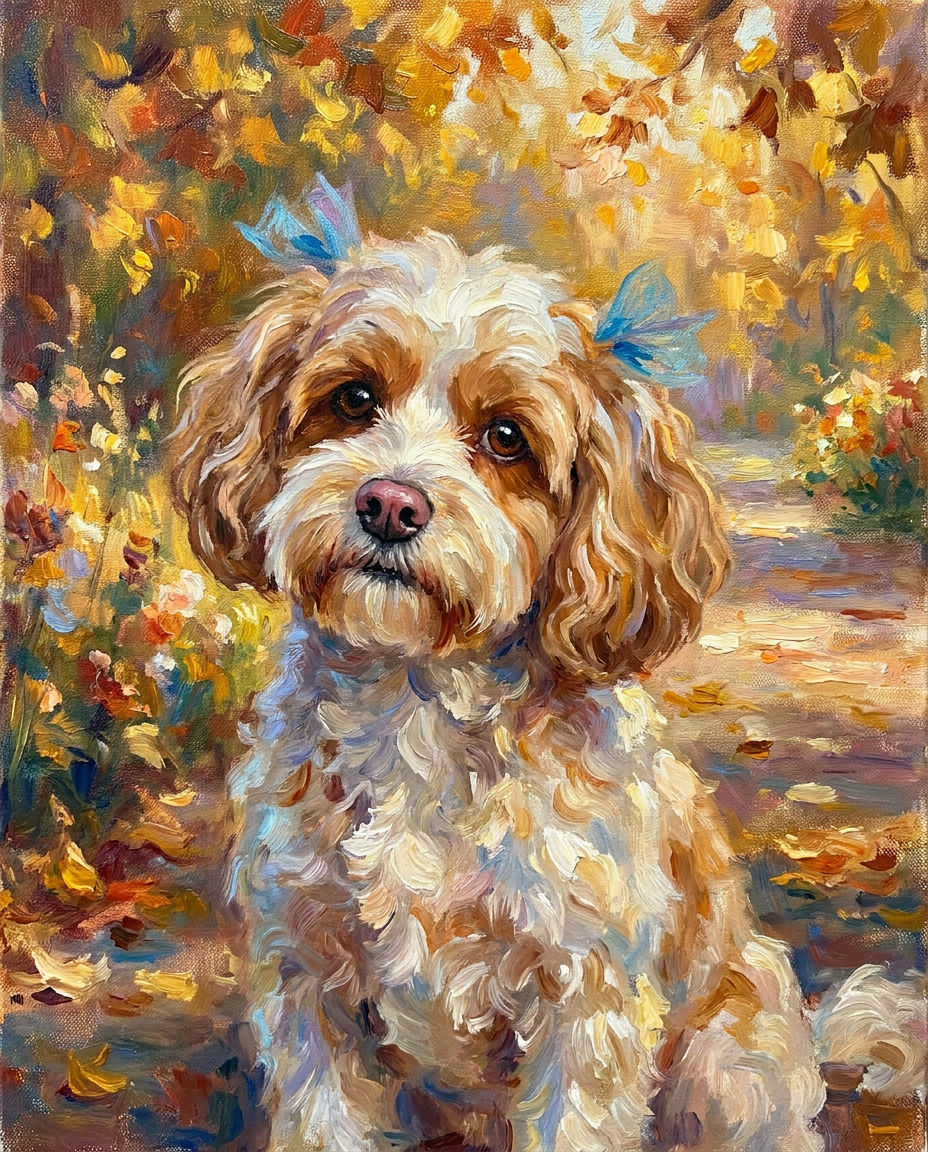
Oil Painting Pet Portraits — When Your Pet Deserves Rembrandt
For most of Western art history, if you wanted a portrait that said something was important, you had it painted in oils. Kings, aristocrats, wealthy merchants — anyone whose status demanded permanence chose oil on canvas. The medium has a r
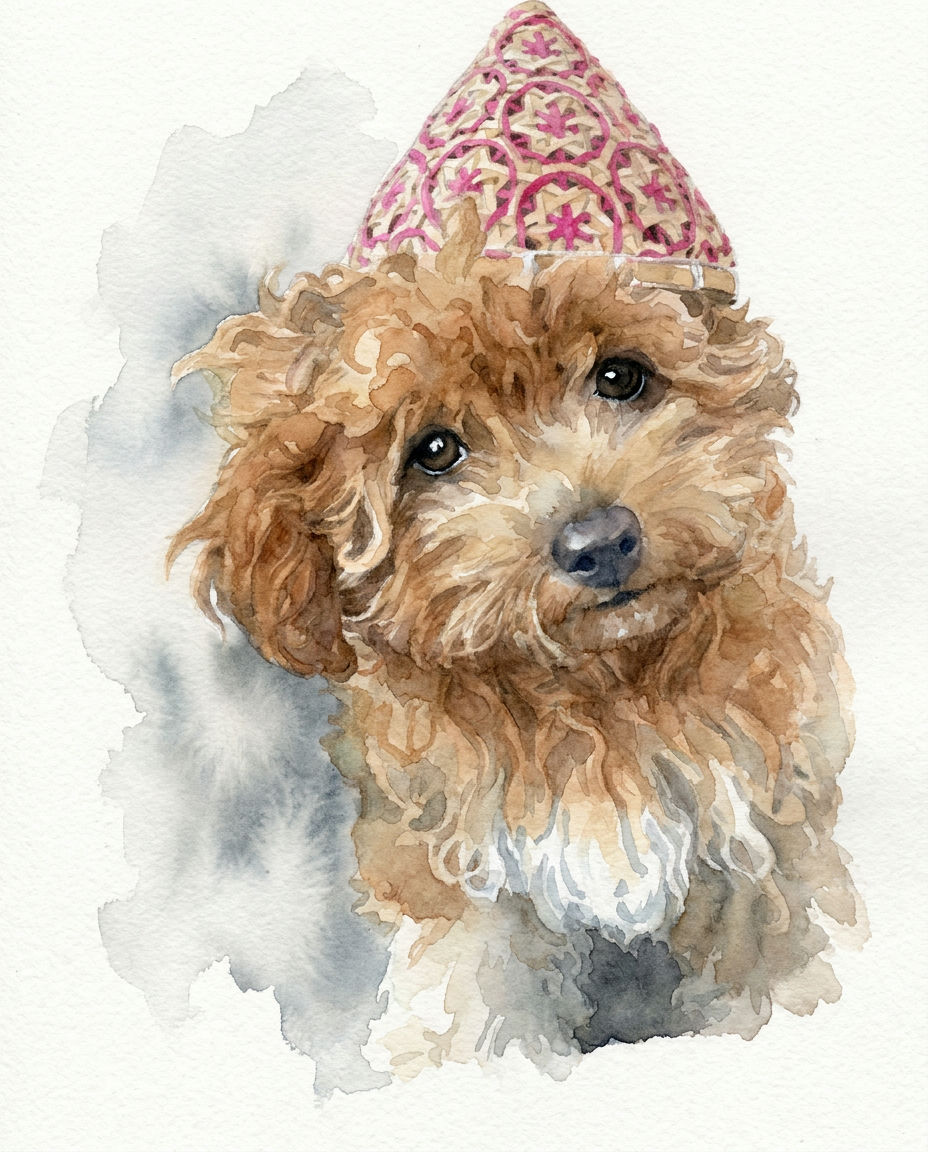
Watercolour Pet Portraits — The Style That Suits Almost Every Pet
If you are not sure which art style to choose for a pet portrait, watercolour is usually the right starting point. It is the most versatile style in the range — it works across breeds, coat types, colours and species in a way that more dram
Comments (0)
Be the first to comment.
Comments are moderated before they appear.