
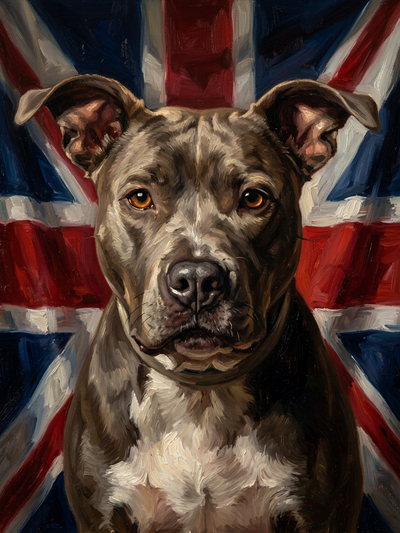
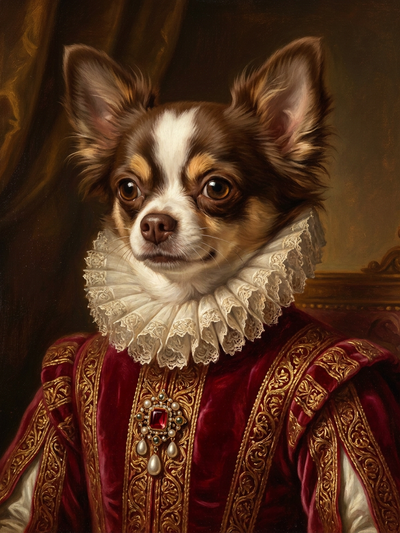
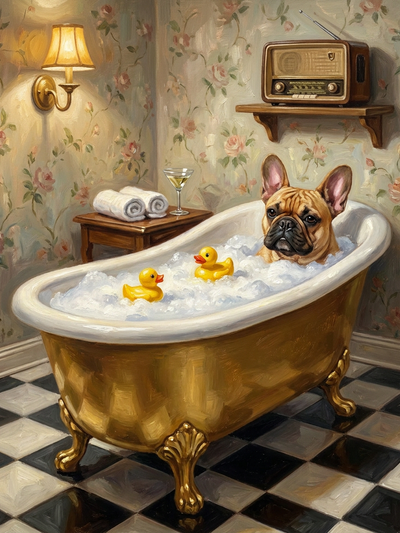
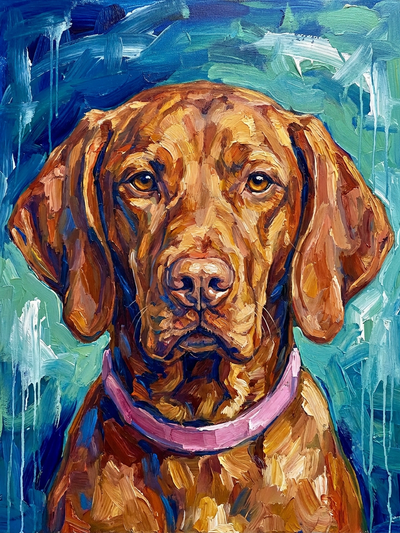
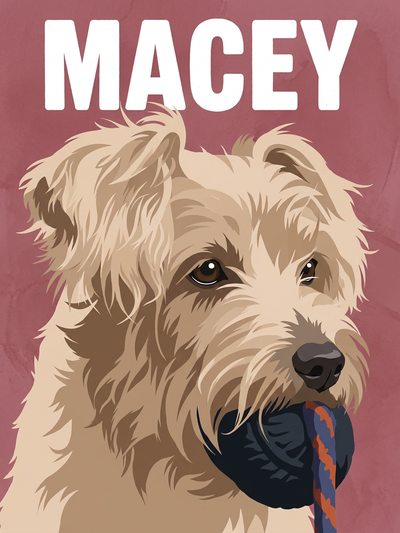
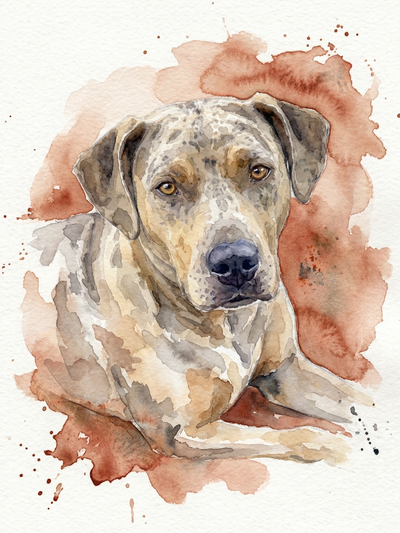
The single biggest factor in how good your portrait turns out is the photo you start with. Furcasso renders detail with extraordinary precision — which means a sharp, well-lit reference photo produces a portrait you'll want on the wall, and a soft, dark or distant photo produces something less impressive. The good news: every photo on this page can be taken on the phone in your pocket, in the next five minutes, without any equipment at all.
The four things that matter most
1. The eyes are sharp. This is the single most important element. A portrait whose eyes are crisp feels alive — the viewer locks onto them first and the rest of the painting follows. If the eyes in your photo are slightly out of focus, every style will inherit that softness. Tap your pet's eyes on the phone screen before you shoot to lock focus there.
2. The face fills most of the frame. Closer is always better. A pet sitting across the room photographed at full body becomes a tiny face once cropped — and the detail of the fur, the texture of the nose, the catch-light in the eyes all disappear. Get within a metre. Fill the frame with the head and shoulders.
3. The light is natural. A window in daylight is the best light source you have. Position your pet so the light falls on the side of their face — not directly behind them (silhouette) and not directly above (raccoon-eye shadows). Outdoors on an overcast day is almost perfect: even, flattering, soft.
4. No flash. Ever. Phone flash creates harsh shadows, flattens the face, and turns eyes red or alien-green. If the room is too dark for a no-flash photo, move closer to a window or take the photo outside.
Angle — how to point the camera
Front-facing or a slight three-quarter angle works for almost every style. The portrait reads as a portrait — eyes engaged, both ears visible, the face clearly the subject. A pure side profile can work for some styles (renaissance, certain pop art) but limits which styles will look right. Aerial shots looking down on a pet on the floor produce distorted, foreshortened results — the head looks too big and the body too small.
Get down to their eye level. Crouch, sit on the floor, lie on your stomach if you have to. The difference between a photo taken standing above a dog and one taken at their eye level is the difference between a snapshot and a portrait.
Breed-specific things to know
Dark coats (black cats, black labradors, black pugs). Dark fur needs more light than light fur — without it, the coat reads as a flat black silhouette and detail is lost. Take dark-coated pets near a window or outside in soft daylight. Avoid backlit photos where the pet becomes a shadow.
Flat-faced breeds (pugs, french bulldogs, persian cats). Their dark eyes can disappear in low light. Natural light from the side picks the eyes out of the wrinkled or flat face and gives the portrait its focal point.
Long-haired breeds (yorkies, shih tzus, persians, golden retrievers). Coat texture is half the appeal. A close-up photo where individual strands are visible produces a portrait where every style — oil painting especially — renders that texture beautifully.
Light-eyed breeds (huskies, weimaraners, some cats). Pale ice-blue or amber eyes are striking and deserve to be clearly visible. A lighter-toned background helps the eyes read in the final portrait — very dark settings can overwhelm pale eyes.
Common mistakes — easy to avoid
The sleepy or blinking photo. A pet mid-blink loses the expression that makes them recognisable. Wait for an alert moment — squeak a toy, say their name — and shoot.
The group photo. Two pets in the same shot are difficult for any style to render well. For multi-pet portraits, upload each pet from their own clear photo — Furcasso composes them together at the generation step.
The very old phone photo. A grainy, low-resolution archive photo can still produce a moving result, particularly for memorial portraits — but a modern phone photo will always be sharper. If you have the choice, use a recent one.
The heavy filter. Photos with Instagram filters, beauty mode, or AI enhancement baked in can confuse the system. Use the original unedited file when you can.
The dirty lens. Phone lenses live in pockets and pick up smudges that soften every photo. Wipe the lens with the corner of a shirt before you shoot.
Memorial portraits — when the photo isn't ideal
If you're creating a memorial portrait, the photo you have is the photo you have. Furcasso handles older, lower-resolution, and imperfect photos with care — the quality system is designed to preserve identity even when the source is soft. Choose the photo where their character comes through most clearly, even if it's not technically sharp. Eyes open and visible matters more than resolution.
The dedicated memorial collection includes styles chosen specifically for pets who have passed.
Not sure if your photo will work?
Upload it. The free preview takes 90 seconds and shows you exactly how your photo will render in any style — before you pay anything. If the result isn't right, try another photo. There's no commitment until you love what you see.
From $13 $10 for instant digital download. Prints from $24 $19. Free worldwide tracked shipping.