
Oil Painting Pet Portraits — When Your Pet Deserves Rembrandt
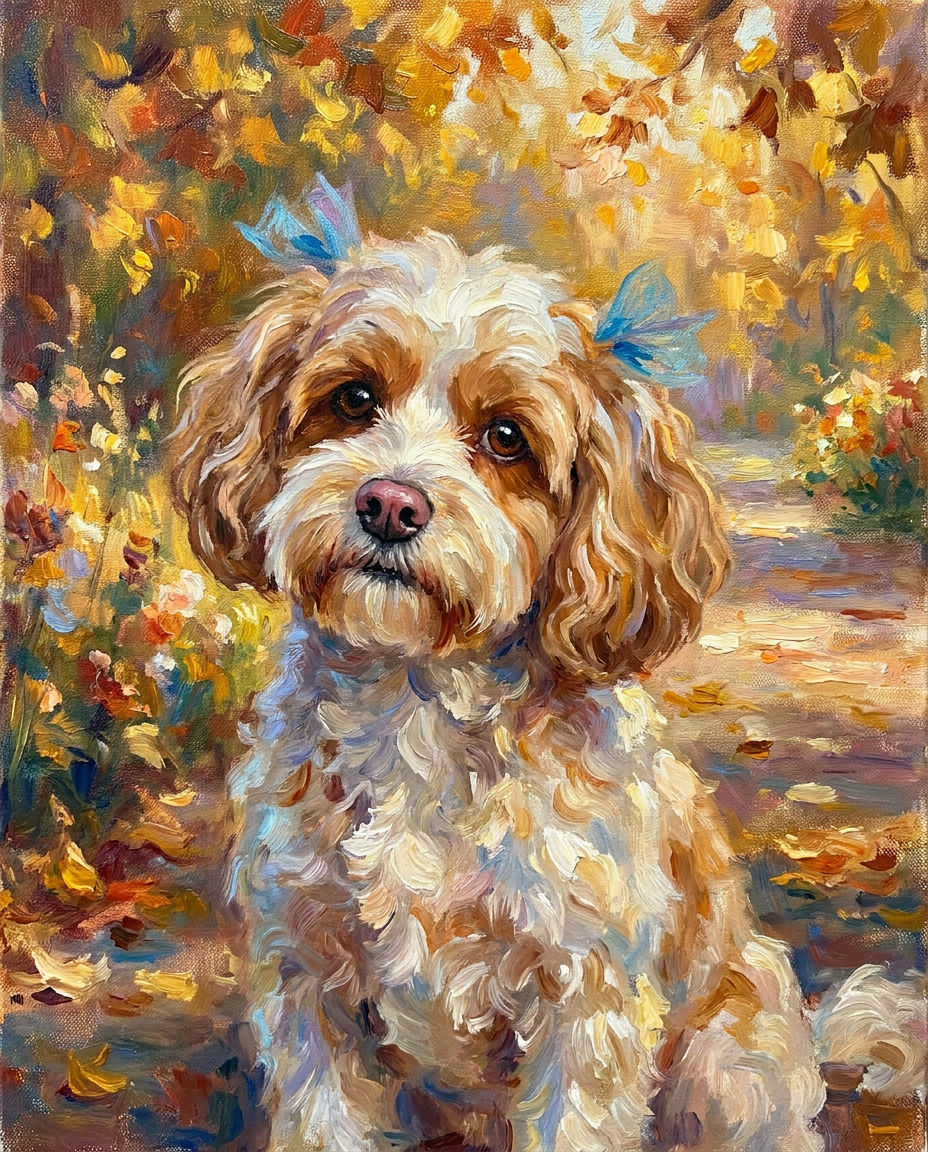
For most of Western art history, if you wanted a portrait that said something was important, you had it painted in oils. Kings, aristocrats, wealthy merchants — anyone whose status demanded permanence chose oil on canvas. The medium has a richness and depth that other approaches could not match, and that quality has not changed.
At some point, people started commissioning oil painting portraits of their dogs. And honestly, it made complete sense.
A brief history of the pet oil portrait
Wealthy households in seventeenth and eighteenth century Europe commissioned portraits of their animals almost as a matter of course. A prize hunting dog, a favourite horse, a cat that had been with the family for years — these were subjects considered worthy of the same treatment as the family members themselves.
George Stubbs spent much of his career painting horses and dogs for the English aristocracy. Edwin Landseer made a considerable reputation painting dogs with the same formal attention he gave to people. The tradition of treating a beloved animal as a portrait subject with its own dignity has deep roots.
What has changed is access. You no longer need a commission budget or months of waiting to see your pet in the style those painters used. The oil painting style at Furcasso applies the same tonal logic — rich darks, warm highlights, the sense of light falling across a specific face — from a photo you already have.
What the oil painting style does
Oil painting portrait generation works by rendering your pet's coat and features in layered, textured tones that suggest the physical quality of the medium. The depth that makes oil painting distinctive — the way dark and light coexist in the same image without one overwhelming the other — is present in the result.
The backgrounds in Furcasso's oil painting style tend to be dark and neutral, which is the conventional approach for the genre and the right one. Against a dark ground, a dog's coat comes forward with a presence that makes the portrait feel like it is looking at you rather than sitting passively on the wall.
The treatment of fur texture is worth noting. Oil painting handles different coat types well — the impasto quality of the style suggests the physical presence of a coat rather than just its colour, which is part of what makes the medium feel three-dimensional even on a flat surface.
Which breeds suit oil painting best
Dogs with medium to long coats produce the strongest oil painting results. The texture of the medium suits breeds where the coat has natural movement and variation — Retrievers, Setters, Spaniels, Collies, German Shepherds and similar. The style gives these coats a depth and richness that flatter-coated breeds cannot quite replicate, though short-coated breeds like Boxers and Staffordshire Bull Terriers can also produce excellent results when the facial expression is strong.
Darker coated dogs look particularly good in this style. The oil painting convention of dark backgrounds means a dark dog does not disappear against the ground — instead the highlights in the coat come forward against the dark, which is a more interesting compositional treatment than a lighter-coloured animal against the same background.
Older dogs suit the style well. There is something about the gravitas of the oil painting style that matches an older dog's face in a way that a more playful or animated style would not. If your dog has the kind of face that people tend to describe as wise or dignified, oil painting is likely the right choice.
Oil painting versus Old Masters
Furcasso offers both an oil painting portrait and a separate Old Masters style. The difference is worth understanding before you choose.
The oil painting style has warmer tones, slightly softer backgrounds and a quality of light that is closer to natural illumination. The Old Masters style is more dramatic — darker backgrounds, starker contrast, more intense directional light. The Old Masters style references Caravaggio and Rembrandt more directly, and has the corresponding intensity.
Both are worth trying. The free preview makes it easy to generate one and then the other to see which better suits your pet.
Getting the right photo
Oil painting benefits from a photo with good lighting and a clear view of the face. The style is rendering your specific pet's features with a level of formal attention that requires the source material to be clear.
Natural light, shot at eye level, with the face clearly visible and in focus. Avoid photos where flash has flattened the tonal range — the oil painting style needs tonal variation in the source photo to produce the depth that makes the style work.
A settled, present expression works better than an action shot. The style is a formal portrait tradition and it suits a subject who is still enough for you to really see them.
Our photo tips guide covers everything in detail.
What the studio's finest sitter looks like on your wall
Oil painting portraits work at any size but reward a larger format. A3 and above gives the detail in the coat and the tonal range of the style enough room to breathe. A2 or A1 on a feature wall in a living room or hallway is one of the most striking things Furcasso produces.
Framed prints from £49.99, with white, black and oak frame options. Free worldwide shipping and a free HD digital copy with every print.
-
What is the difference between oil painting and Old Masters style?The oil painting style has warmer tones, slightly softer backgrounds and a quality of light closer to natural illumination. The Old Masters style is more dramatic — darker backgrounds, starker contrast, more intense directional light, referencing Rembrandt and Caravaggio more directly. Both are worth trying with a free preview.
-
Which breeds suit an oil painting portrait best?Medium to long-coated breeds produce the strongest results — Retrievers, Setters, Spaniels, Collies and German Shepherds among them. Darker-coated dogs look particularly good against the dark backgrounds of the style. Older dogs with weight and character in their faces suit oil painting exceptionally well.
-
What size should I order for an oil painting portrait?Oil painting rewards a larger format. A3 is the minimum recommended size. A2 or A1 on a feature wall in a living room or hallway gives the detail in the coat and the tonal range of the style room to breathe. It is the style most likely to benefit from going up a size.
-
Is an oil painting portrait a good gift?Yes. Oil painting is one of the two most popular gifting styles at Furcasso alongside renaissance. It communicates a seriousness and permanence that novelty gifts do not. Framed prints arrive ready to hang with free worldwide shipping and a free HD digital copy included.
Keep reading
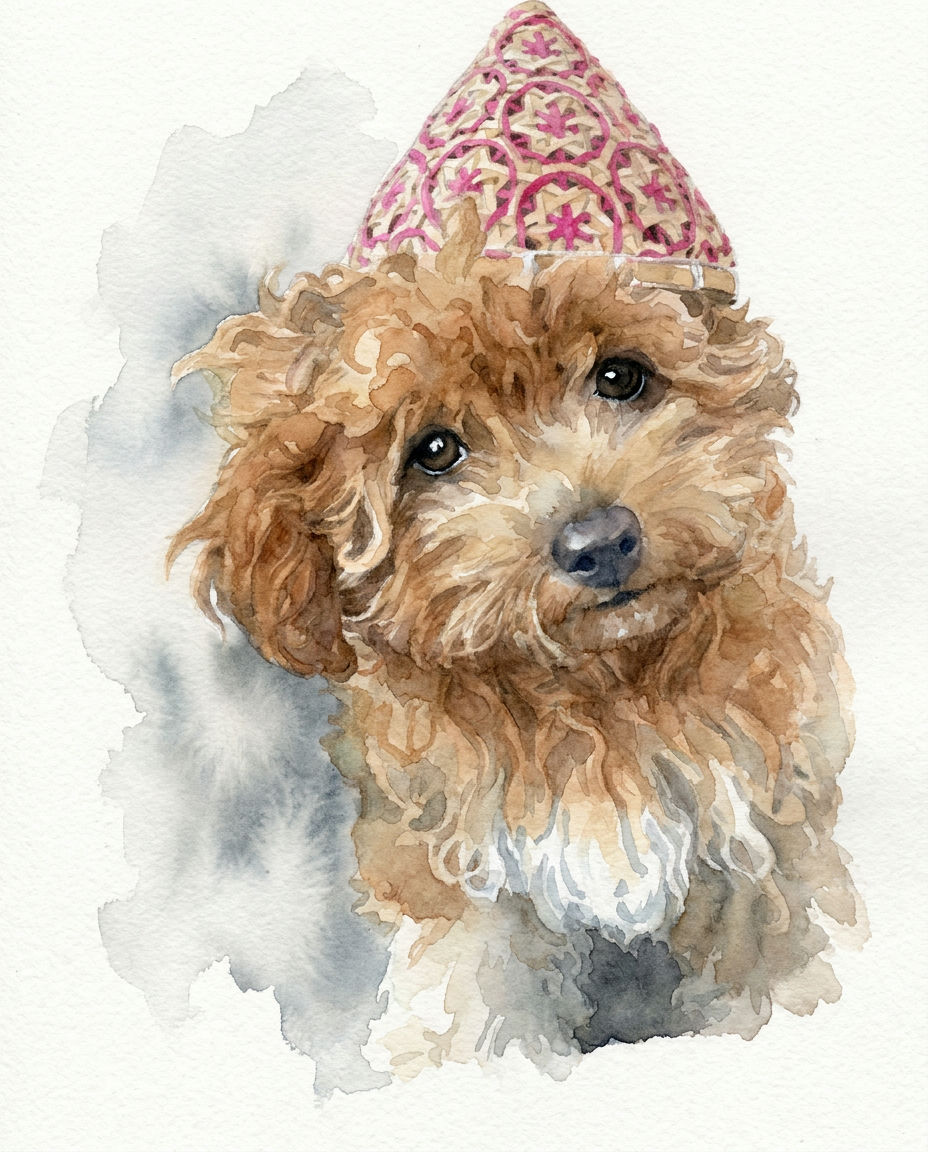
Watercolour Pet Portraits — The Style That Suits Almost Every Pet
If you are not sure which art style to choose for a pet portrait, watercolour is usually the right starting point. It is the most versatile style in the range — it works across breeds, coat types, colours and species in a way that more dram
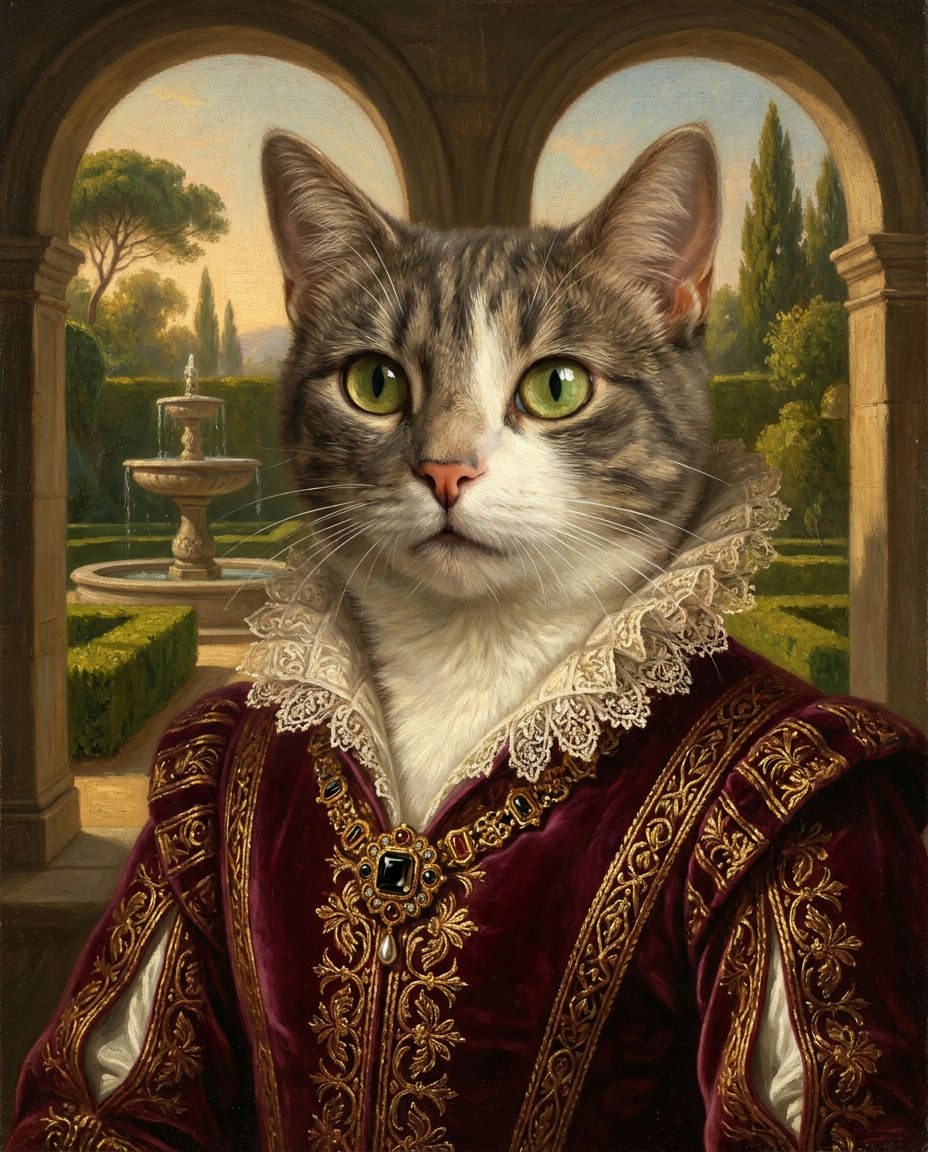
Renaissance Pet Portraits — Everything You Need to Know
Renaissance pet portraits have become one of the most requested styles in custom pet art over the last few years, and it is not hard to see why. There is something about the combination of a beloved animal and the formal grandeur of renaiss
Comments (0)
Be the first to comment.
Comments are moderated before they appear.