How AI Pet Portraits Actually Work — The Technology Behind the Magic
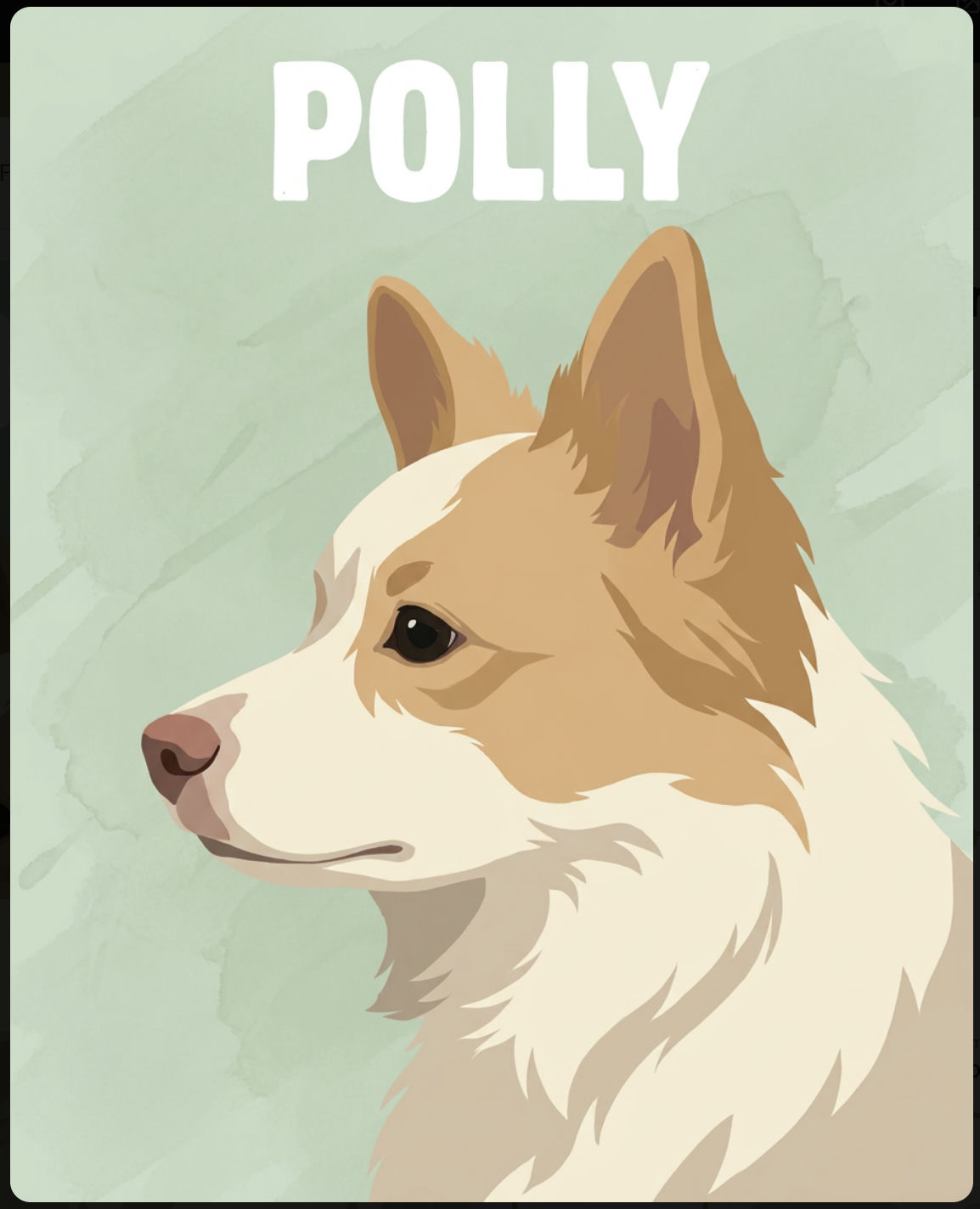
Most people who use an AI pet portrait service do not particularly need to understand how it works. They upload a photo, choose a style, and see the result. That is entirely sufficient.
But a lot of people are curious — and given how much the quality varies between services, understanding what is actually happening under the surface helps explain why some portraits look like your specific animal and others look like a generic version of the breed.
This is a plain-language explanation of how it works.
What the technology is actually doing
AI portrait generation starts with a model that has been trained on a large number of images. The model learns the relationship between visual inputs and outputs — what an oil painting looks like versus a watercolour, how a renaissance portrait differs from a pop art print, what makes a face look like a specific individual rather than a type.
When you upload a photo of your pet, the model is given two things: your photo, and an instruction to render it in a specific style. The generation process works by finding the version of your pet's face and coat that fits most naturally within the target style — preserving the specific features that make your dog or cat recognisable while translating the overall image into the painterly or illustrative language of the chosen style.
This is the technically hard part, and it is where AI portrait services vary most significantly.
Why identity preservation is difficult
The challenge with pet portraits specifically is that most of the features that make your pet recognisable are subtle. The exact shade of their coat, the particular set of their ears, the way their eyes are shaped, a specific marking on their face — these are details that make the portrait feel like them rather than like a dog of the same breed.
AI models tend to have a pull toward the average. They have seen thousands of Golden Retrievers and they have an implicit model of what a Golden Retriever looks like, which can subtly override the specific features of your particular Golden Retriever. The portrait comes out looking like a beautifully painted Golden Retriever rather than a beautifully painted portrait of your dog.
Better models and better prompting reduce this pull toward the average. The question of how well a specific service preserves identity is one of the most important quality differences between providers and one that is worth testing with a free preview before committing to a purchase.
How style is applied
Each style in Furcasso's range is built individually rather than applied as a general filter. The difference in practice is significant.
A filter approach takes your photo and applies a transformation to the whole image uniformly — the equivalent of running it through an Instagram filter. The result looks like your photo in that style rather than a portrait in that style that happens to feature your pet.
A style-specific model approach applies the conventions of the style — the lighting logic, the compositional approach, the tonal range, the way paint or line is used — rather than just the surface appearance. The portrait is generated within the style's logic rather than being transformed into it afterward. This is harder to build and the results are different in a way that is immediately visible when you compare the two approaches side by side.
Why some breeds are harder than others
Brachycephalic breeds — French Bulldogs, Pugs, Persian cats and similar flat-faced animals — are harder for portrait AI than longer-muzzled breeds. The compressed facial structure means there is less tonal variation and depth for the model to work with, and the results are more variable.
Very dark-coated animals can also be challenging in certain styles, because the lack of tonal contrast in the coat gives the model less information to render. Styles with lighter backgrounds or more dramatic lighting tend to handle dark coats better than styles with dark grounds.
Curly-coated breeds — Poodles, Cockapoos, Labradoodles — tend to produce excellent results in textured painterly styles like oil painting, watercolour and impressionist, because the model's rendering of fur texture happens to suit the natural quality of curly coats.
What a pre-flight check does
Furcasso runs a pre-flight validation on every uploaded photo before it reaches the generation model. The check assesses whether the photo is likely to produce a good result — whether it contains a clearly visible pet, whether the image is sharp enough, whether the lighting is sufficient.
Photos that fail the check are flagged before generation rather than after, which saves time and avoids the frustration of waiting ninety seconds for a result that was always going to be poor because the source photo was not suitable.
The validation is not a quality gate — photos that pass the check can still produce variable results depending on the style chosen and the specific characteristics of the animal. But it removes the most common sources of bad results before they happen.
The ninety second question
The generation process at Furcasso takes around ninety seconds from upload to result. This is fast by most standards, though some simpler AI services are faster and some more complex generation processes are slower.
The time is spent running the image through the generation model, which involves a significant amount of computation. The quality of the result is partly a function of how long and how carefully the model is allowed to run — very fast generation at the cost of quality is a real tradeoff that some services make.
If you want to see the technology in action, the most straightforward way is to try a free portrait. Upload a photo of your pet, choose a style, and you will have a result in about 90 seconds. No payment required until you see something you want to keep.
Keep reading
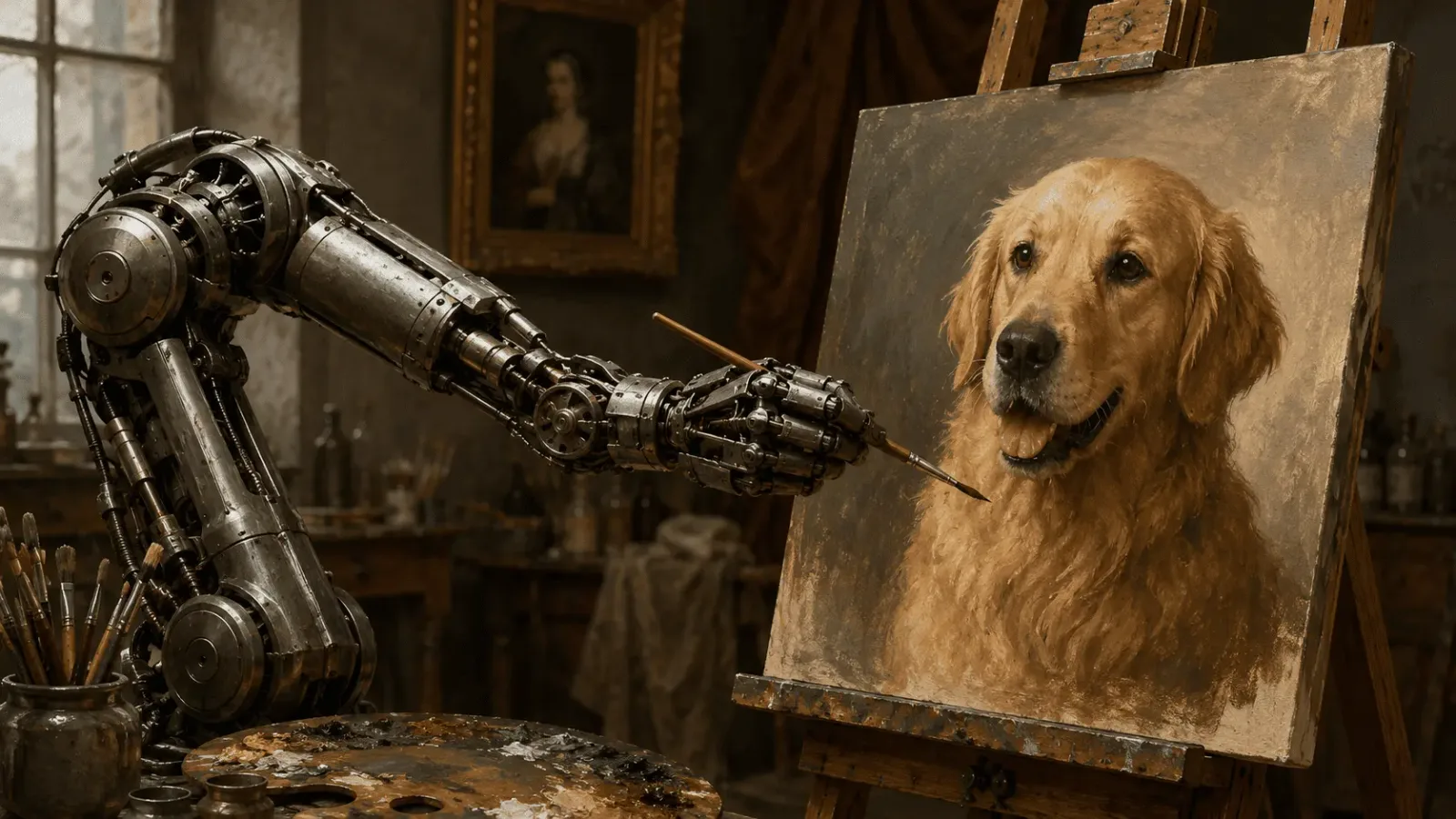
Are AI Pet Portraits Hand Painted?
The question comes up constantly, and it deserves a straight answer.
What Size Should a Pet Portrait Be? A Room-by-Room Guide
Choosing the right size for a pet portrait is one of those decisions that feels more complicated than it is. Most people have an instinct about what would work in the space they have in mind — they just want confirmation. This guide is desi
How to Take the Perfect Photo for an AI Pet Portrait
The quality of a pet portrait is only as good as the photo it starts from. This is true of any portrait tradition — a painter working from a great photograph produces a better result than one working from a bad one — and it is just as true
Comments (0)
Be the first to comment.
Comments are moderated before they appear.