
Are AI Pet Portraits Hand Painted?
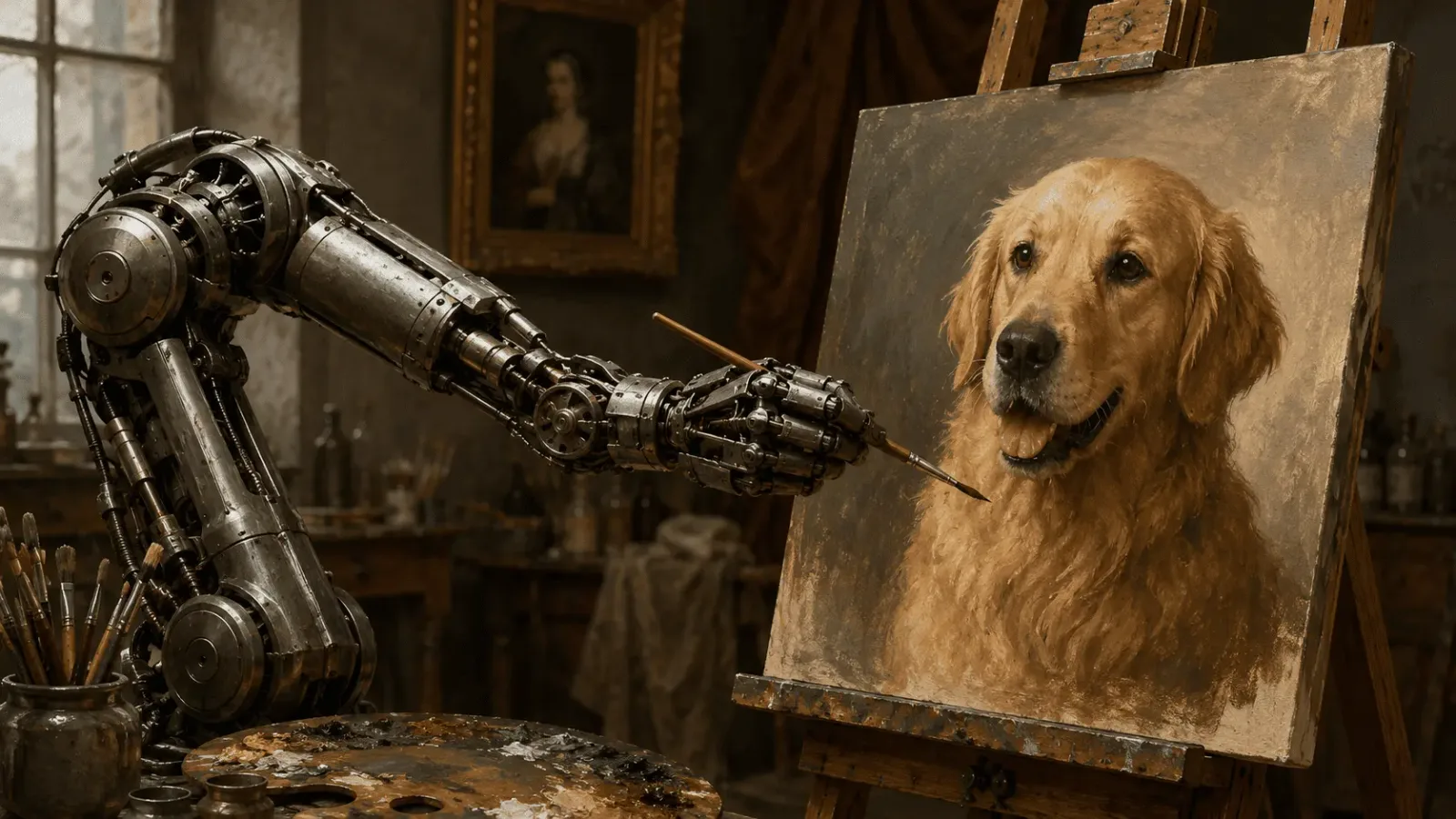
The question comes up constantly, and it deserves a straight answer.
When you order an AI pet portrait — from Furcasso or anywhere else — you are not commissioning a human artist to pick up a brush. The portrait is generated by a machine learning model that has studied tens of thousands of paintings and learned, in extraordinary detail, how different artistic styles work. The result looks like a painting. It often looks like a very good painting. But it is not hand painted in any traditional sense.
That said, what the model produces is not a filtered photograph either. Understanding the difference matters, because it explains why AI portraits can look so convincing — and what you should look for when you are choosing where to order one.
What the AI is actually doing
The generation process starts with your photograph. The model analyses it — identifying the subject, the coat colour and texture, the expression, the lighting — and then reconstructs it in the style you have chosen.
For an oil painting style, that means adding visible brushwork, adjusting the tonal range and colour palette to match the warmth and depth of real oil paint, and rendering the fur in a way that has weight and texture rather than photographic flatness. For watercolour, it means introducing soft washes, wet-edge bleeds, and the characteristic lightness that watercolour has at its edges.
The model does not trace over your photo. It uses the photo as a reference and generates something new — which is why the same photograph in two different styles produces results that look genuinely distinct from each other, not just the same image with a different filter applied.
Why it looks like a painting
The reason AI portraits look so convincing is that the model has learned, from real paintings, what painting actually looks like. Not just the surface texture of a canvas, but the decisions a painter makes — where to simplify detail, how much to exaggerate light and shadow, where to let edges blur and where to sharpen them.
A portrait in an oil painting style will have the slightly flattened value range that oil paintings tend to have, because the model has absorbed that quality from real examples. A watercolour portrait will have the granulation and bloom that real watercolour has, because the model has seen enough of them to understand what those qualities look like and replicate them.
This is not the same as a Photoshop filter, which applies a fixed mathematical transformation to your image. The AI is making generative decisions that echo the decisions a painter would make — just millions of times faster and without a brush in hand.
What it cannot do
There are things a human artist does that AI cannot replicate. A commissioned artist who paints your dog from a photograph will make subjective choices — emphasising the quality they find most interesting about the subject, adjusting the composition, making the dog look like the dog they remember from spending an hour with the photograph. That interpretive layer, the painter's eye, is absent from AI generation.
AI portraits also cannot handle some photographic limitations. A blurry photo or one taken in poor light will produce a weaker portrait than a sharp, well-lit one, because the model is working from what it can see. A skilled human artist can sometimes compensate — imagining what the detail might look like, inferring from other parts of the image. The AI works with what it has.
The expression is also fixed by the photograph in a way that it is not always fixed in a commissioned portrait. If your dog only has one expression in photos and you wish the portrait looked more alert, an AI cannot imagine what that would look like. A human artist can sometimes manage it.
Why the distinction matters less than it used to
Five years ago, AI-generated imagery was immediately identifiable. The uncanny valley was real, the errors were visible, and no one would have confused the output of a generative model with a painted portrait.
That gap has closed dramatically. The best AI portrait services now produce results that are not easily distinguishable from hand-painted work by a competent artist, at a price point that makes commissioned portraits accessible to people who could not previously afford them. The question is not really whether AI portraits are hand painted — they are not — but whether the result is something you will be proud to hang on your wall. For most people, and most pets, the answer is yes.
The test is the portrait itself, not the process that created it.
What Furcasso does differently
Every Furcasso portrait starts with a validation step — a vision model checks your photograph before generation begins to flag quality issues that would produce a weaker result. This is not standard across AI portrait services and it matters: the difference between a portrait that looks like your pet and one that merely looks like a painting of a dog is almost always in the quality and angle of the source photo.
The generation itself uses a model trained specifically on painterly styles rather than a general-purpose image generator. Oil painting, watercolour, impressionist, Old Masters and the other styles have been prompted and refined over hundreds of test generations to produce results that hold up at print size — not just on screen.
And the output is generated at 2048x2560 pixels, which means when you order a print or a canvas, you are getting a file that can print at genuine A2 or 16x20 inch size without the degradation that lower-resolution generation would produce.
Hand painted? No. Worth hanging on your wall? That is what the free preview is for.
-
Is an AI pet portrait the same as a filtered photo?No. A filtered photograph applies a fixed transformation to your image. An AI portrait model generates a new image from your photo, making decisions about brushwork, tone, colour and detail that echo the choices a painter would make. The output is genuinely different from the source photo, not a version of it with a texture applied on top.
-
Can you tell the difference between an AI portrait and a hand-painted one?The best AI portraits are difficult to distinguish from competent hand-painted work, particularly at the styles AI handles best — oil painting, watercolour and impressionist. The main difference is the absence of the painter's interpretive layer. A human artist makes subjective choices about what to emphasise; the AI works from what it can see in the photograph.
-
Does the quality of the photo matter?Yes, significantly. The AI generates from the information available in your photo. A sharp, well-lit photo taken from a clear angle produces a much stronger portrait than a blurry or poorly lit one. Furcasso runs a validation check on every uploaded photo before generation begins to flag quality issues that would affect the result.
-
Are AI pet portraits worth the price compared to a commissioned artist?A commissioned human artist for a comparable quality portrait typically costs between £150 and £500 and takes two to four weeks. An AI portrait costs from £9.99 for a digital download and generates in around 90 seconds. The result is different — AI is stronger at certain styles and lacks the interpretive depth of a skilled human painter — but for most pet owners, the AI result is something they are genuinely proud to display.
-
What styles are available for AI pet portraits?Furcasso offers 90-plus styles including oil painting, watercolour, impressionist, Old Masters, botanical, pop art, Japanese woodblock, medieval, cartoon and many more. Each style is prompted and refined specifically for pet subjects rather than general image generation.
Keep reading
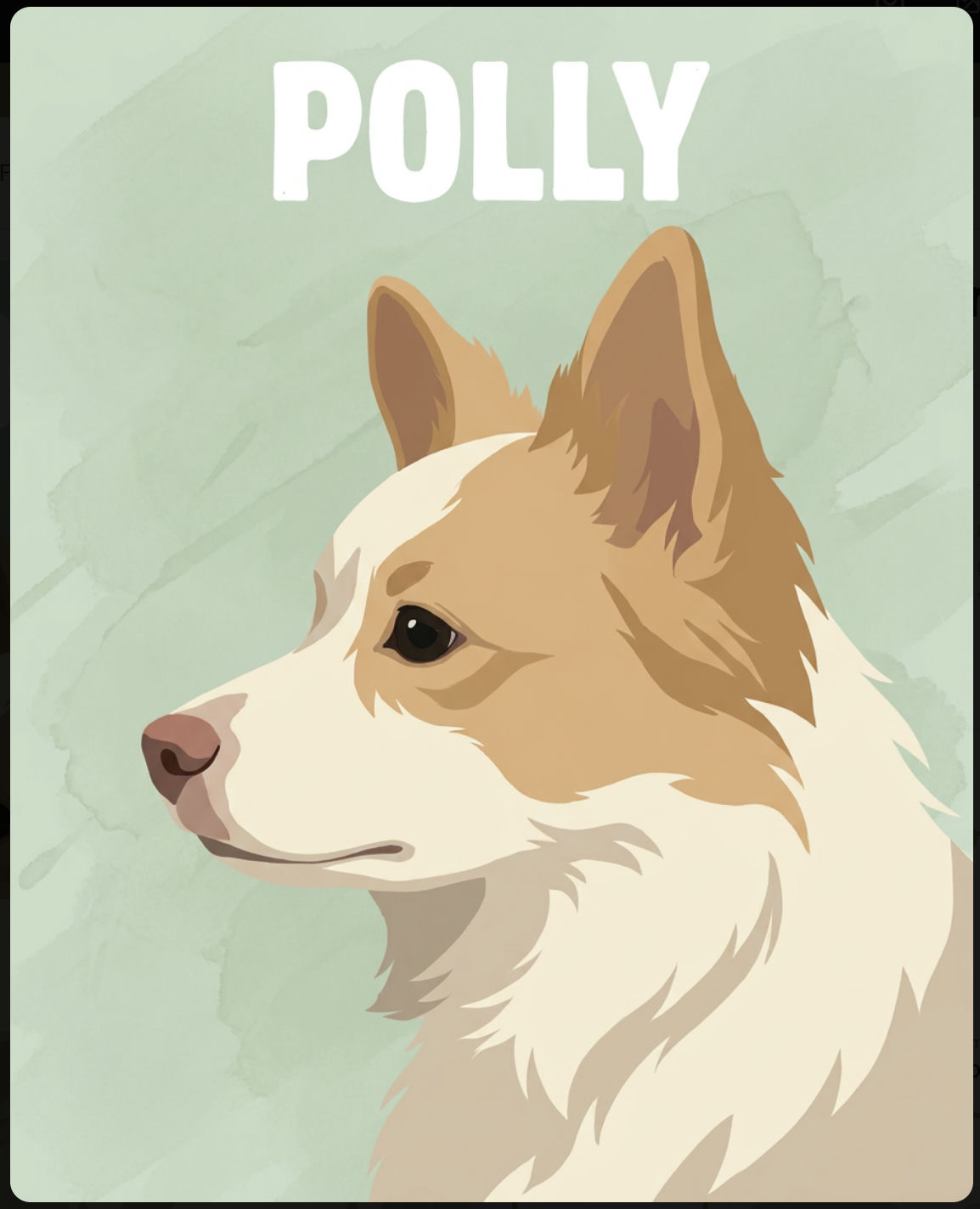
How AI Pet Portraits Actually Work — The Technology Behind the Magic
Most people who use an AI pet portrait service do not particularly need to understand how it works. They upload a photo, choose a style, and see the result. That is entirely sufficient.
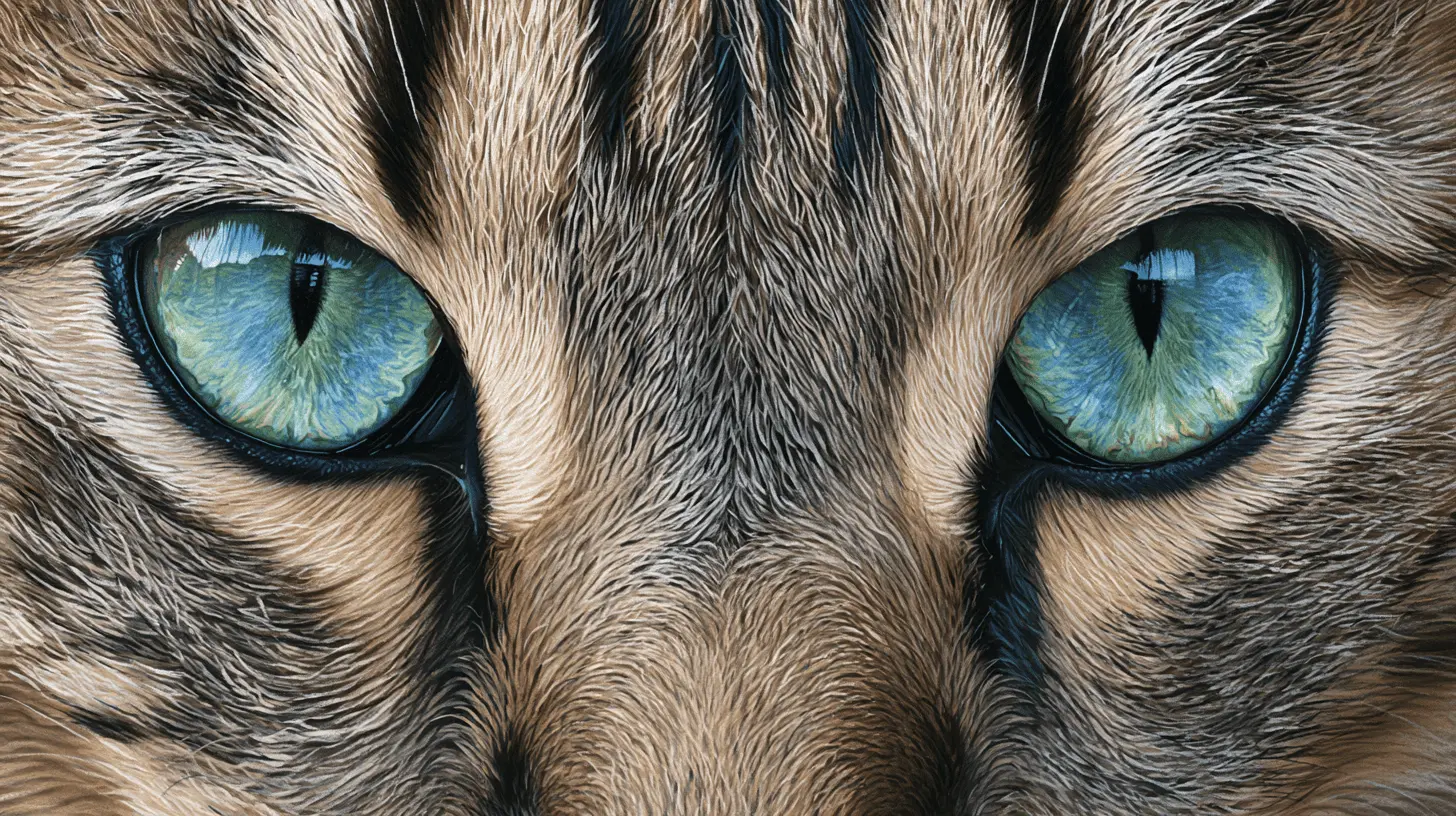
What Size Should a Pet Portrait Be? A Room-by-Room Guide
Choosing the right size for a pet portrait is one of those decisions that feels more complicated than it is. Most people have an instinct about what would work in the space they have in mind — they just want confirmation. This guide is desi
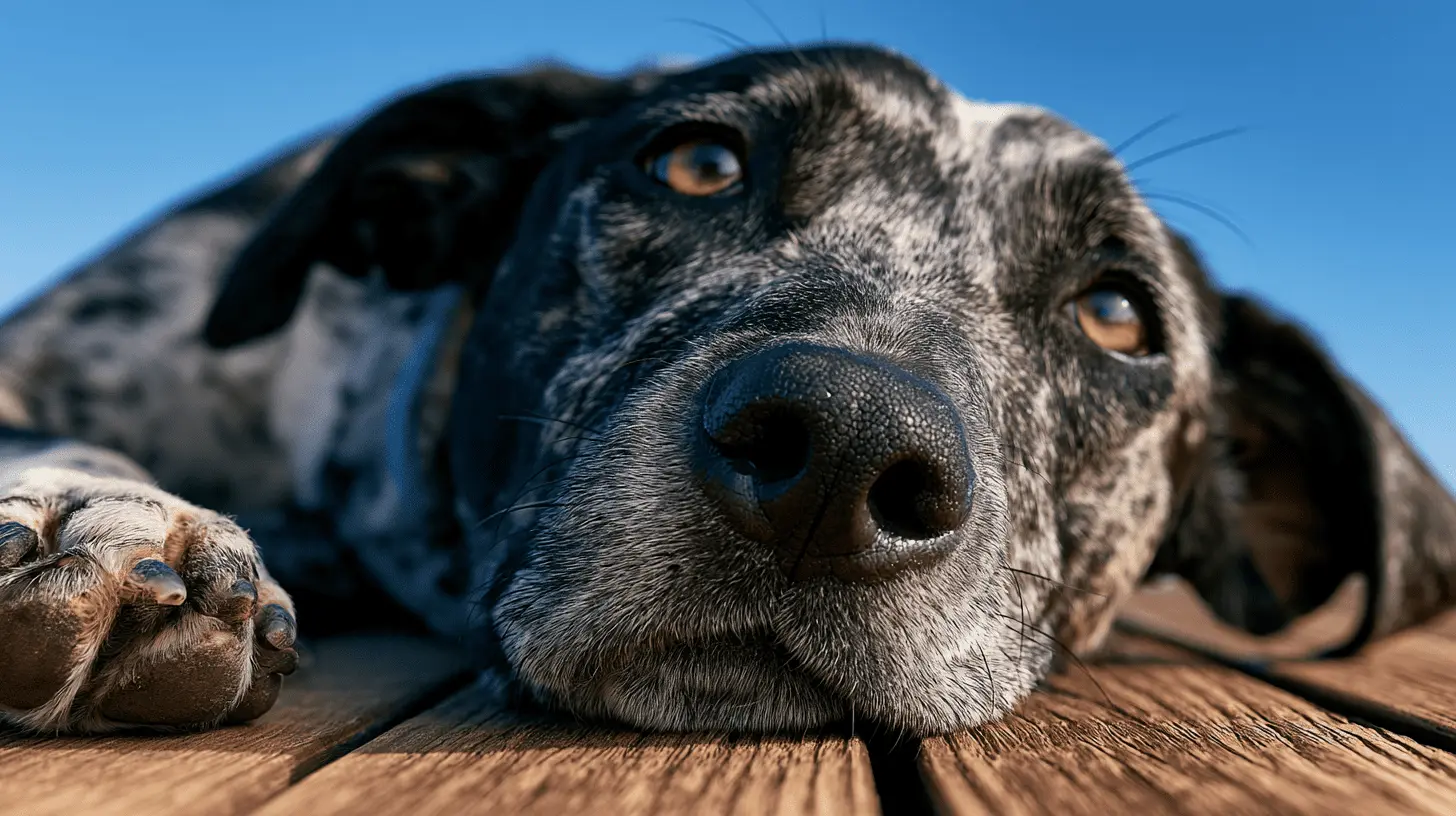
How to Take the Perfect Photo for an AI Pet Portrait
The quality of a pet portrait is only as good as the photo it starts from. This is true of any portrait tradition — a painter working from a great photograph produces a better result than one working from a bad one — and it is just as true
Comments (0)
Be the first to comment.
Comments are moderated before they appear.