Patriot Pet Portrait — Your Pet, the Old Masters Tradition, Your Flag
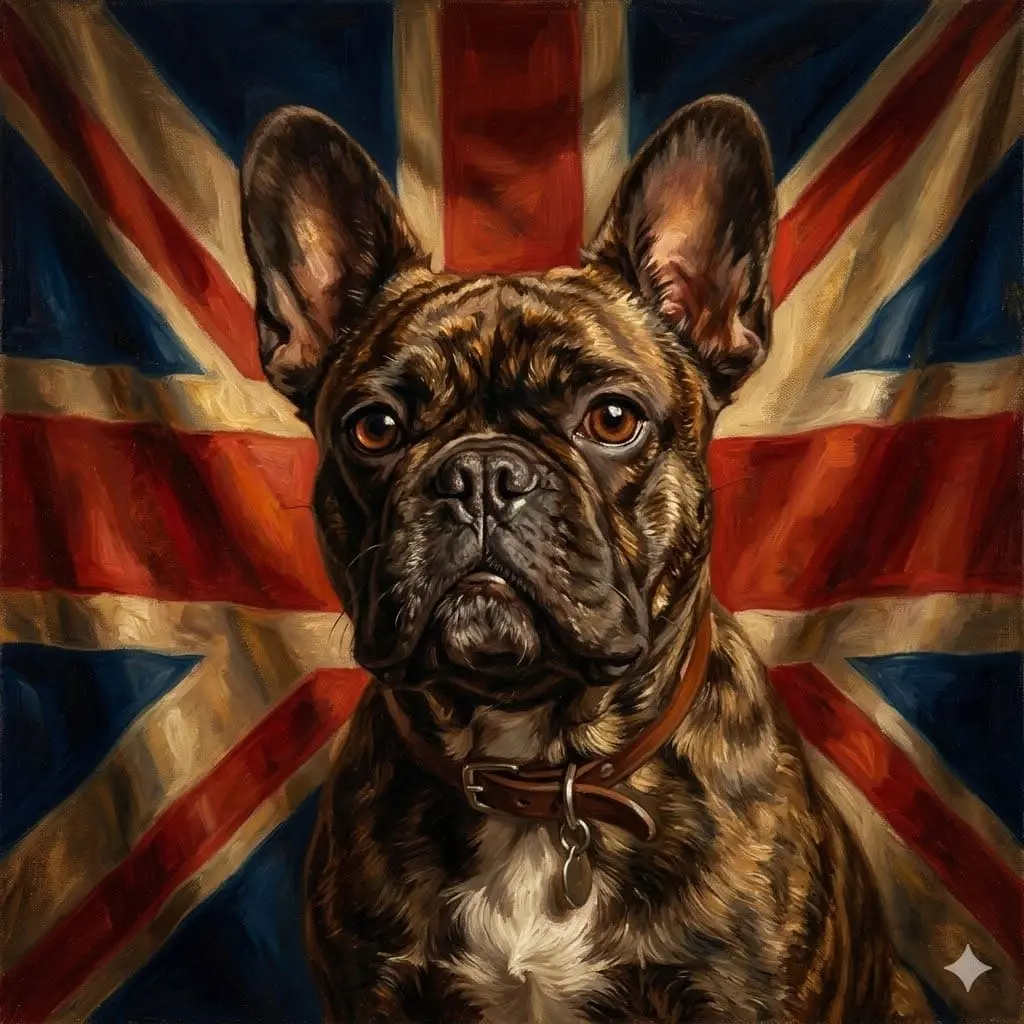
There is a particular kind of portrait that has hung in British and American houses for three hundred years. The subject sits or stands before a draped, richly coloured backdrop — heavy fabric that catches the light on its raised folds and falls into deep shadow in its recesses. The backdrop is not a neutral blank. It carries meaning.
Furcasso's Patriot Portrait takes this tradition and gives the backdrop a specific identity — your country's flag, rendered in the same Old Masters oil painting technique as the subject in front of it. The Union Jack. The Stars and Stripes. Painted as Rembrandt would have painted draped silk. Your pet at the centre of it.
The result is not what you might expect from the description. It is not a graphic, a composite or a novelty. It is a painting.
What the Old Masters tradition does to a flag
The Old Masters tradition — the formal oil portrait as practised in seventeenth century Britain, the Netherlands and Spain — had specific ways of handling colour. Red was not flat primary red. It was crimson darkened to near-burgundy in shadow and illuminated to bright vermillion only where the light caught the raised folds of the cloth. Blue was Prussian blue, deep and complex, tending toward near-black in the recesses. White was warm ivory, almost cream in the ambient candlelight of the period's studios.
When you apply this palette to the Union Jack, something interesting happens. The flag becomes richer than its graphic self. The deep navy of the field takes on a quality of atmospheric depth. The red of the crosses picks up warm amber undertones from the directional lighting. The white tends toward the warm cream of old linen. The flag you recognise becomes something you have never quite seen before — and yet it is unmistakably itself.
The Stars and Stripes undergoes a similar transformation. The stripes follow the natural fall of draped heavy cloth rather than running in perfect parallel lines. The star field in the upper left corner is suggested with painterly looseness — the stars visible but not mechanically regular. The result is a flag that looks as though it has hung in a colonial-era portrait studio rather than been printed on polyester.
Both flags suit the Old Masters tradition particularly well because both countries have a long history with the formal painted portrait. The British aristocracy were among the most enthusiastic commissioners of formal oil portraits in European history. The American founding generation, many of them deeply influenced by British aesthetic traditions, sat for formal painted portraits as a matter of civic duty. The patriot portrait places your pet inside a tradition that both nations have always taken seriously.
Which pets suit the patriot portrait
The honest answer is that any pet suits the patriot portrait, because the Old Masters tradition is confident enough to handle any subject. But some combinations produce results that are immediately striking.
Dogs with strong facial structure and longer muzzles — Labradors, Retrievers, German Shepherds, Greyhounds, Setters, Spaniels — have the facial geometry that the style's directional lighting works with most naturally. The chiaroscuro picks out the planes of the face and creates portraits of real tonal depth.
Flat-faced breeds produce a different kind of result. The French Bulldog patriot portrait — the image that launched this style — has a quality of almost deliberate irony. The compact, slightly pugnacious face of the Frenchie against the draped Union Jack has an energy that taller, more classically proportioned breeds cannot quite replicate. Sometimes the unexpected combination is the most interesting one.
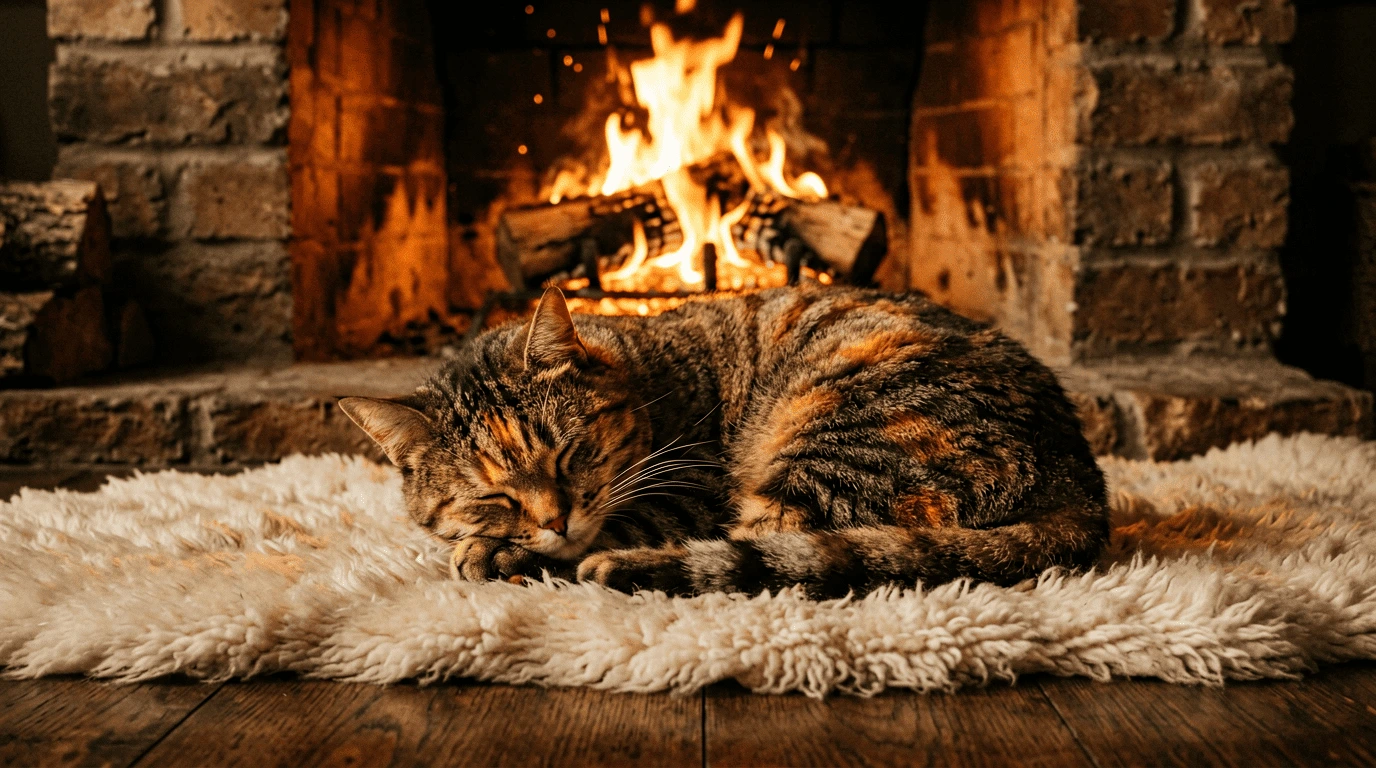
Cats in the patriot portrait tend toward the regal. The Old Masters tradition makes cats look like cats that know they are being painted — entirely comfortable with the attention and mildly impatient with the process. British Shorthairs in front of the Union Jack produce portraits of particular self-possession. American Shorthairs against the Stars and Stripes manage a similar quality of composed national pride.
Older pets suit the patriot portrait exceptionally well. The gravitas of the Old Masters tradition — the weight and darkness of the palette, the formal compositional conventions — matches the weight that comes with age in an animal's face. A twelve-year-old Labrador in front of the Union Jack, rendered in the tradition of Gainsborough or Reynolds, is a portrait that earns its place on a wall.
The UK flag
The United Kingdom has one of the more complex flags in the world — the Union Jack combines three separate crosses into a single design, with a heraldic asymmetry in the diagonal crosses that most people only notice when it is pointed out. In the Patriot Portrait, this complexity becomes richness. The interlocking crosses create a background of greater visual interest than a simple tricolour, and the three colours — deep navy, crimson and white — sit naturally in the warm amber palette of the Old Masters tradition.
For British pet owners, there is also the option of using the patriot portrait as a statement about the specific national character of their breed. The English Cocker Spaniel, the English Bulldog, the Border Collie, the Scottish Terrier, the Welsh Corgi — each of these breeds has a long and specific national history, and placing them against the Union Jack in the Old Masters tradition gives that history a visual form.
See the Patriot Portrait style
The US flag
The Stars and Stripes presents different opportunities. The flag has more graphic complexity than any European tricolour — thirteen stripes and fifty stars create a background with genuine visual weight. In the Old Masters tradition this complexity is handled by treating the flag as draped fabric rather than as a graphic. The stripes follow the fall of the cloth. The star field is suggested rather than counted.
The result for American pet owners is a portrait that sits in the long tradition of American patriotic imagery — but rendered in a medium and style that predates the nation itself. The formal oil portrait was already an established European art form when the American republic was founded. Placing an American pet against the Stars and Stripes in this tradition gives the image a quality of historical weight that more contemporary patriotic imagery rarely achieves.
American breeds — the American Staffordshire Terrier, the Boston Terrier, the Chesapeake Bay Retriever, the Alaskan Malamute — suit the Stars and Stripes variant with particular naturalness. But any American pet owner whose animal has personal significance, regardless of breed origin, produces a patriot portrait worth hanging.
The patriot portrait as a gift
The patriot portrait has an immediate gifting logic that most portrait styles do not. A custom portrait of someone's specific pet is already a highly personal gift. A patriot portrait of their specific pet against the flag of their home country is personal in two directions simultaneously — it is about the individual animal and about where the owner belongs.
This makes it particularly strong for certain occasions that other portrait styles do not cover as naturally. Expatriates — British people living in the US, Americans living in the UK, Australians anywhere — often have a specific kind of homesickness that expresses itself through flags and national symbols. A patriot portrait of their pet against the flag of their home country is a gift that acknowledges both the pet and the person.
It works for national holidays — the Fourth of July, St George's Day, Burns Night, Australia Day — in a way that a standard portrait style cannot. The flag gives the occasion a specific context.
It also works for military and service family occasions. A portrait of the family dog against the national flag, in the Old Masters oil painting tradition, carries genuine weight for a family with a service history.
See our full pet portrait gift guide for more on choosing occasions and styles.
How to get the best result
The patriot portrait uses the same generation process as all Furcasso styles — upload a clear photo of your pet, select the Patriot Portrait style, choose your country, and see the result in about 90 seconds.
A photo taken in good natural light, at eye level, with the face clearly visible and the eyes in focus gives the generation the most to work with. A photo taken in harsh artificial light or with flash reduces the range of tone that the Old Masters style has to build from. For all flag variants, a neutral or dark background in the source photo helps — the flag needs space to establish itself without competing with other colour information from the original image.
Read our photo tips guide for detailed advice on getting the best source photo.
The Patriot Portrait is available for eleven countries — United Kingdom, United States, Canada, Australia, Ireland, France, Germany, Netherlands, New Zealand, Sweden and Spain — as a digital download or as a framed print with free worldwide shipping.
Ready to see how yours looks? Create your patriot portrait here — the first generation is free and takes about 90 seconds.
-
Can I get a patriot portrait of my cat?Yes. The patriot portrait works for cats, dogs, rabbits and any other pet. Cats in the Old Masters tradition tend toward the regal — the formal compositional conventions of the style suit animals that carry themselves with natural composure, which most cats do.
-
Is the flag recognisable in the finished portrait?Yes. The flag is clearly identifiable in every variant — the colours, the cross structure of the Union Jack, the stripes and stars of the Stars and Stripes are all present and readable. The difference from a graphic flag is that every element is rendered with the tonal depth and painterly texture of Old Masters oil painting rather than as flat printed colour.
-
Which country flags are currently available?Eleven countries are currently available: United Kingdom, United States, Canada, Australia, Ireland, France, Germany, Netherlands, New Zealand, Sweden and Spain. Select your country in the portrait creator after choosing the Patriot Portrait style.
-
What size works best for a patriot portrait?A3 and above is recommended. The Old Masters tradition rewards larger formats — the tonal depth of the style and the visual complexity of the flag background both benefit from room to breathe. A2 or A1 on a feature wall gives the style its full presence.
-
Is the patriot portrait a good gift?Yes — particularly for expatriates, for national holidays and for anyone with a strong connection to their home country. Upload a photo of their pet, select their country's flag and the portrait ships directly to them anywhere in the world with free worldwide shipping.
Keep reading
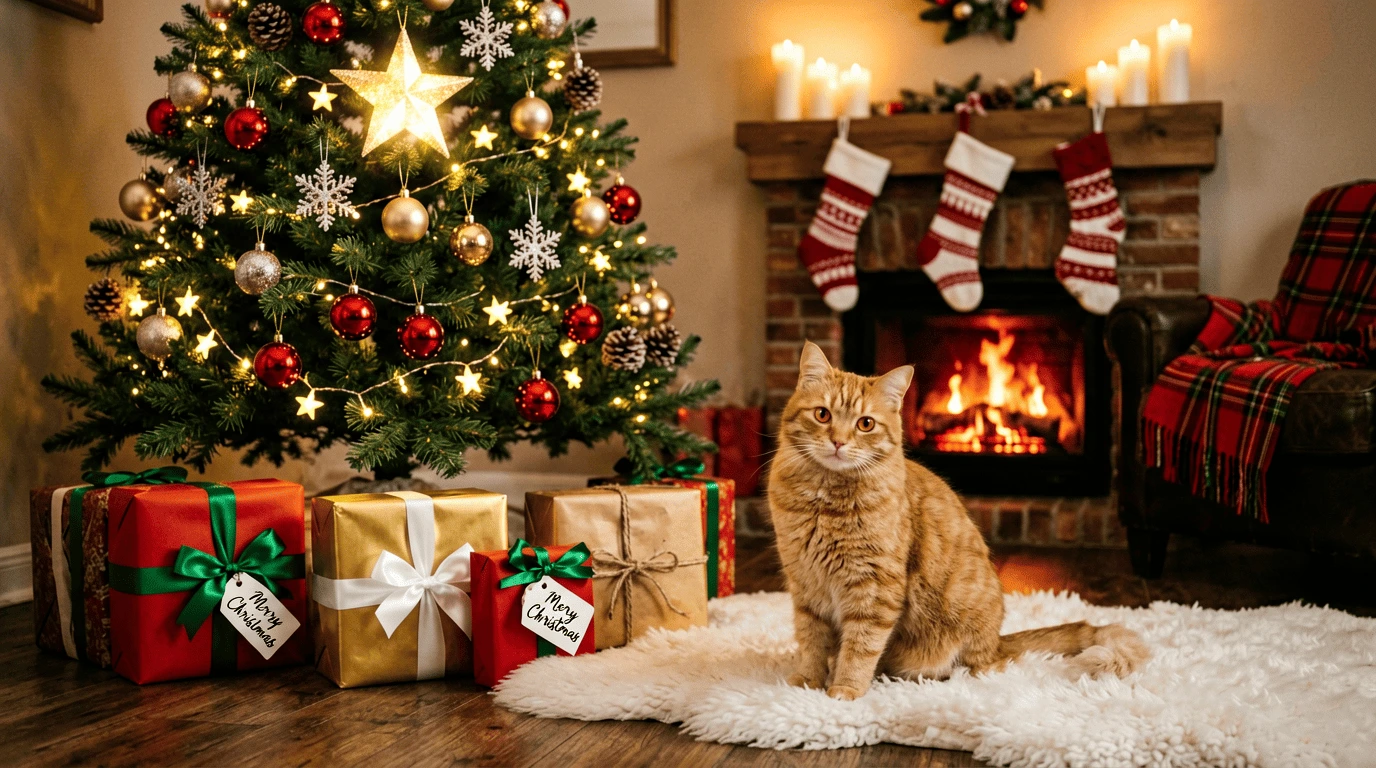
Christmas Gifts for Cat Lovers — What Actually Makes It Under the Tree
Christmas gift buying for cat lovers has a specific challenge. The market is enormous — cat-themed Christmas merchandise appears earlier every year and covers more surfaces than seems entirely necessary. The problem is not lack of options.
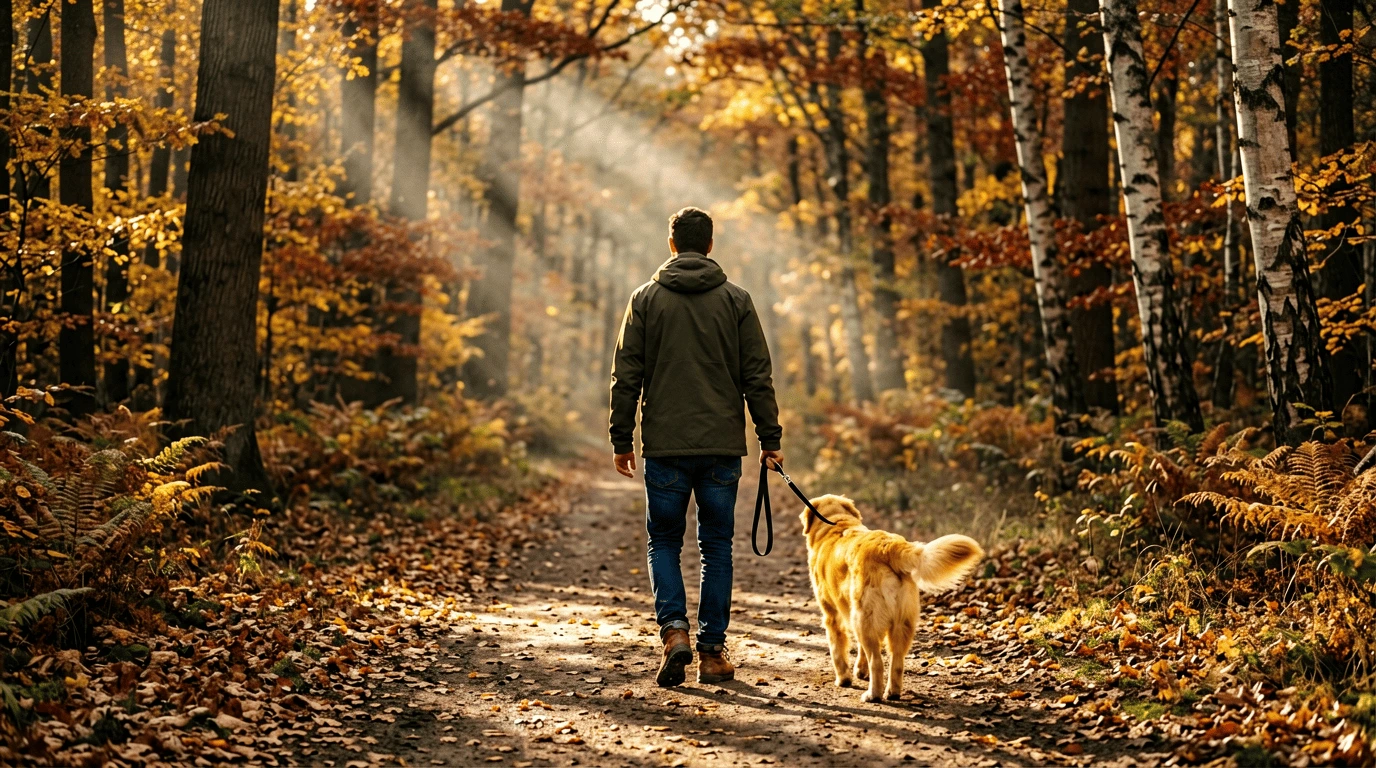
Custom Gifts for Dog Owners — Why Personalisation Makes All the Difference
The word "custom" covers a wide range. A mug with someone's name on it is technically custom. So is a portrait that captures the specific face of the dog they have loved for twelve years. These are not the same thing, and the distinction ma
Unique Gifts for Cat Lovers — Beyond the Obvious
Finding a genuinely unique gift for a cat lover is harder than it should be. The market is enormous and most of it looks the same — the same paw print motifs, the same "crazy cat lady" typography, the same generic silhouettes that could be
Comments (0)
Be the first to comment.
Comments are moderated before they appear.