
Tortoiseshell cats have a coat of such colour complexity that portrait styles — particularly those that work with multiple tones simultaneously — find them among the most interesting subjects available. The patchwork of orange, black and brown, in its random, asymmetric distribution, creates a coat that is different on every individual cat and that can never be entirely predicted from the genetics. The 'tortie' character — the strong-willed, intensely individual personality that owners of these cats consistently describe — seems to match the coat: complex, unpredictable and entirely its own.
Coat colours and how they render
Tortoiseshell cats always have a combination of orange and black or brown, with the proportions, distribution and boundary quality varying enormously between individuals. Calico cats — where white is added to the tortoiseshell pattern — are a related colour pattern that produces equally complex portrait results.
Classic tortoiseshell — orange and black in distinct patches — produces oil painting results of exceptional tonal complexity. The warm orange and the cool black create a coat with the widest tonal range of any single-breed cat, and the painting tradition handles this range with real depth. Each patch catches the light differently and the overall portrait has a quality of warm-cool tension that makes it one of the most visually interesting of any cat portrait.
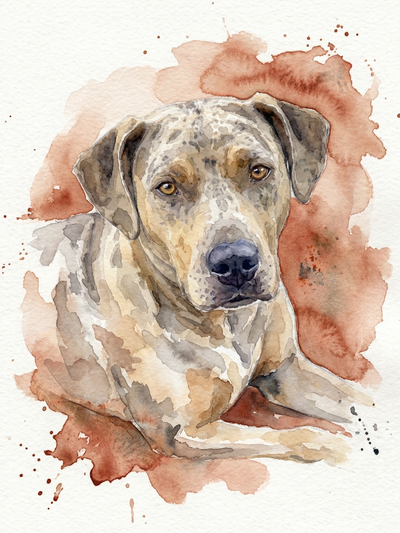
Blue tortoiseshell — where the black is replaced by blue-grey — produces softer, more atmospheric portraits. Watercolour handles the softer blue-grey and orange combination with a quality of warmth that suits the style's loose, flowing approach.
Tortoiseshell and white (calico) cats have the additional white ground that gives the portrait a lighter, more open compositional structure. Oil painting and watercolour both handle the three-colour pattern well.
Recommended styles for tortoiseshell cats
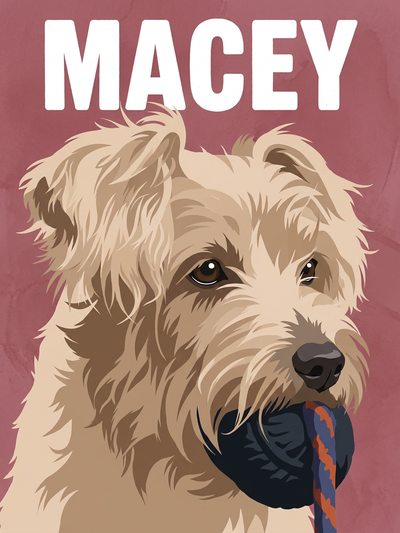
Oil Painting — finds the full tonal depth in the warm-cool colour complexity of the coat. Watercolour — particularly beautiful for blue tortoiseshell and tortoiseshell and white. Impressionist — handles the multiple colours and their interactions with real depth. Botanical — the rich patchwork of colours in the coat suits the decorative richness of the botanical style. Pop Art — the bold colour patches create graphic results with immediate visual impact.
Photo tips
The tortoiseshell pattern is complex enough that the source photo needs to be clear and well lit to give the portrait an accurate starting point. Natural light from the front or slight side shows the full colour range of the patches — poor light tends to collapse the orange and black into a uniform dark mass. A photo that shows both the face and a portion of the body gives the portrait the full pattern to work from. The face of a tortoiseshell often has its own asymmetric pattern — one side of the face different from the other — and this individuality is worth capturing.