
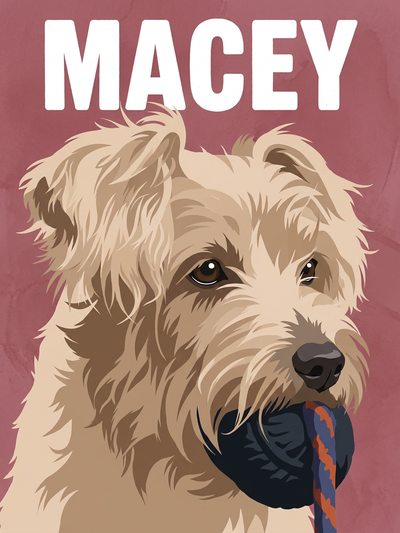
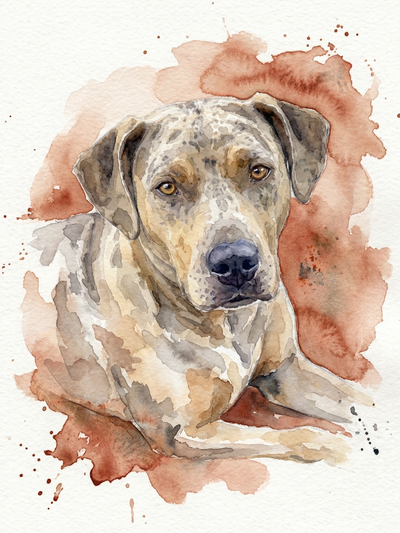
The Lurcher is not a breed in the conventional sense but a type — a cross between a sighthound and a working breed, produced in an almost infinite variety of combinations that results in dogs of extraordinary individual character. No two Lurchers look exactly alike, and this individuality is precisely what makes them such compelling portrait subjects. Where pedigree breeds offer consistency of appearance, the Lurcher offers the genuine particularity of an animal that is entirely itself — a specific combination of parents and grandparents that has never existed in quite this form before and never will again.
Coat colours and how they render
Lurcher coats vary enormously depending on the parentage — from the short, smooth coat of a Greyhound cross through to the rough, wiry coat of a Deerhound cross, with every texture in between. Colours are equally varied: brindle, fawn, black, blue, white, tricolour, merle and parti-colour all appear regularly.
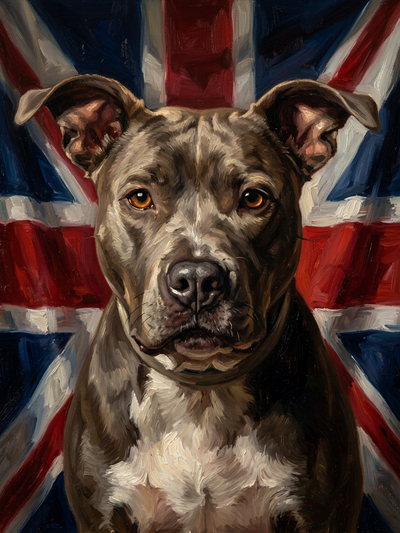
Smooth-coated Lurchers — typically from Greyhound or Whippet crosses — have the clean, athletic lines of the sighthound visible through the short coat. Oil painting and renaissance handle the athletic build and the elegant profile of these Lurchers with the same natural affinity they bring to purebred sighthounds.
Rough and broken-coated Lurchers — from Deerhound or terrier crosses — have a wiry, textured coat that sketch and impressionist styles handle with real character. The scruffier, more individual quality of these coats gives the portrait a roughness and authenticity that smoother breeds cannot offer.
Merle Lurchers — from Collie crosses — have the complex mottled coat that watercolour handles with particular atmospheric quality.
Recommended styles for Lurchers
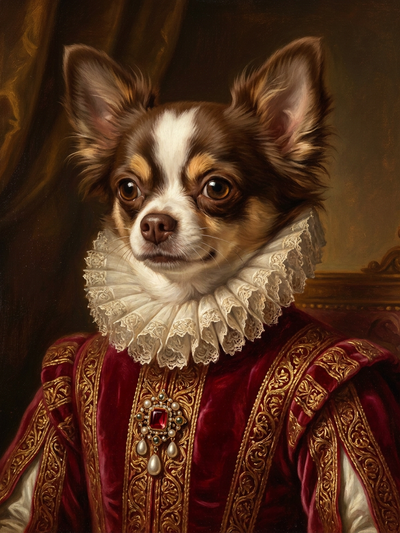
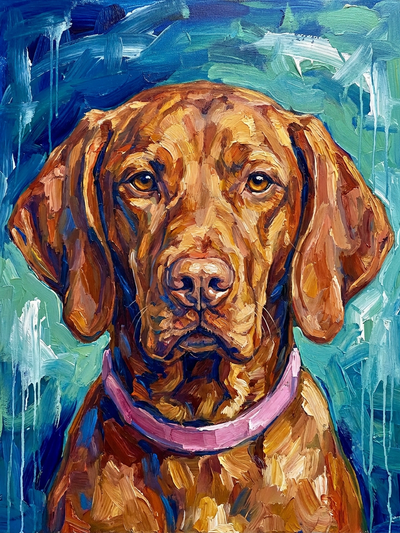
Oil Painting — suits smooth and broken-coated Lurchers with their athletic, elegant build. Watercolour — particularly beautiful for merle and lighter-coloured Lurchers. Sketch — the wiry and rough coats translate powerfully into expressive pencil work. Impressionist — handles the textural variety of different coat types with real affinity. Vintage — the Lurcher's long association with working life suits the warmth of the vintage tradition.
Photo tips
The great variety of Lurcher types means that the most important consideration in the source photo is showing what makes your specific Lurcher distinctive. For sighthound-type Lurchers, the profile is as important as the face. For rougher-coated Lurchers, a photo that shows the coat's texture in natural light gives the portrait the most to work with. The individual character of the Lurcher's face — which varies more between individuals than in any pedigree breed — is the portrait's primary subject and should be clearly lit and in focus.