
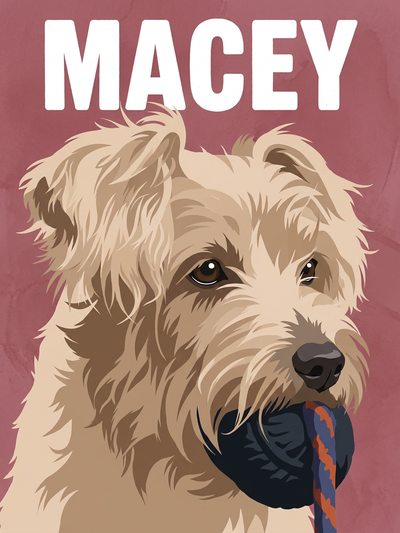

The Dachshund is one of the most recognisable and beloved dog breeds in the world — the long body, the short legs, the deep chest, and the expression of serene self-importance that every Dachshund owner knows intimately. It is also, it turns out, a spectacular portrait subject.
Furcasso generates a custom portrait of your Dachshund from a single photo in approximately 90 seconds, across more than 90 artistic styles. Smooth, long-haired, or wire-haired — standard or miniature — every variety of Dachshund produces extraordinary portrait results.
Three coats, three completely different portraits
Smooth-coated Dachshunds in Oil Painting or Old Masters styles produce portraits of exceptional elegance — the clean, sleek coat catches the chiaroscuro light beautifully, and the long body creates a natural compositional grace.
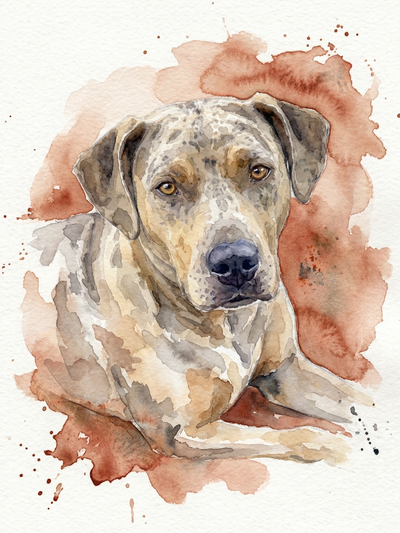
Long-haired Dachshunds in Watercolour produce some of the most beautiful results in the Furcasso catalogue — the soft flowing coat translates into loose, luminous washes of warm colour that capture the breed's natural glamour.
Wire-haired Dachshunds in Victorian or Old Masters styles have the characterful, slightly dishevelled dignity that perfectly matches the breed's personality.
Coat colours
Dachshunds come in a remarkable range of colours — red, black and tan, chocolate and tan, dapple, brindle, and more. Each colour combination produces a distinct and beautiful portrait. Dapple Dachshunds are particularly striking in Art Deco style, where the marbled coat pattern creates a natural graphic beauty. Black and tan Dachshunds are exceptional in Old Masters and Baroque styles.
From photo to portrait
Upload a photo of your Dachshund — any variety, any coat, any colour. Your portrait is ready in approximately 90 seconds. Order as an instant digital download from $13 $10 or a printed portrait from $24 $19, available framed with free worldwide delivery.
From $13 $10 for instant digital download. Prints from $24 $19. Free worldwide tracked shipping.
Three coats, countless colours — what they mean in a portrait
Smooth, long-haired, and wire-haired dachshunds are different enough in appearance that they produce genuinely different portrait results. Understanding what each coat does in different styles is useful before you choose.
Smooth dachshunds have a short, close coat that catches light in clear highlights and allows the structure of the face and body to read clearly. In oil painting, smooth dachshunds have an almost lacquered quality — the highlights are crisp and the shadows are deep. The coat does not distract from the expression. Watercolour suits smooth dachshunds very well, particularly in simpler scenes — the face and its expression are the whole story, and watercolour lets that story come through without the coat getting in the way.
Long-haired dachshunds have a coat that portrait styles love. The silky, flowing hair — particularly around the ears, where it feathers into longer waves — renders in watercolour as soft flowing washes of colour that are among the most beautiful coat renderings in the catalogue. In oil painting, the long coat is built up in layers of warm and cool tones that give it depth and movement. Long-haired dachshunds in renaissance style look like they have always been aristocrats.
Wire-haired dachshunds are the most characterful of the three varieties in portraiture. The rough, bristly coat creates a texture that directional brushwork captures naturally — in oil painting particularly, the wire coat produces a portrait with a physical quality that feels different from the smoother varieties. The expression of a wire-haired dachshund also tends toward the more sardonic and knowing, which suits the formal register of renaissance and Old Masters style particularly well.
Dachshund coat colours
Tan and red dachshunds — the most common colours — suit oil painting and watercolour equally well. The warm amber and red tones glow in both mediums. Renaissance style suits red dachshunds particularly well because the warm tones of the coat work beautifully against the dark backgrounds of period portraiture.
Black and tan dachshunds have a two-tone quality that portrait styles handle in interesting ways. In oil painting, the black areas of the coat are rendered in deep warm tones that contrast with the rich tan of the face, chest, and legs. In watercolour, the contrast is softer — the black rendered in cool washes and the tan in warm ones. The combination is beautiful in both mediums.
Chocolate and tan follows a similar logic to black and tan — the contrast between the warm chocolate of the main coat and the tan markings creates a portrait with genuine visual interest.
Dapple dachshunds are among the most unusual portrait subjects because no two dapples have the same pattern. The mottled, mixed colouring of a dapple coat translates into watercolour particularly well — the variations in the coat becoming variations in the washes of colour that feel entirely natural in the medium.
The dachshund character in a portrait
Dachshunds have a specific quality of expression that no other breed quite matches. The long muzzle, the deep-set eyes, the brow that manages to suggest both ancient wisdom and mild suspicion simultaneously — this expression is the heart of any dachshund portrait, and the best portrait styles lean into it rather than softening it.
Oil painting gives the dachshund expression gravity. Renaissance style gives it theatrical formality. Old Masters gives it the deep, serious quality of someone who has genuinely seen things. Watercolour softens it into something warm and approachable.
Which of these is right depends on the specific dachshund and the specific owner. Some dachshunds are genuinely solemn and suit the more serious styles. Some are clowns who happen to have a serious face, and those suit renaissance — the absurdity of the formal setting in contrast with the personality of the actual dog.