
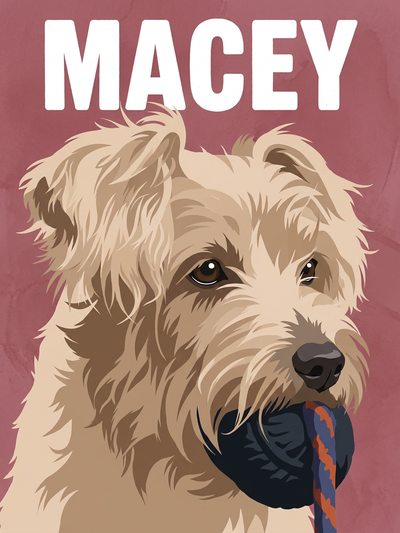
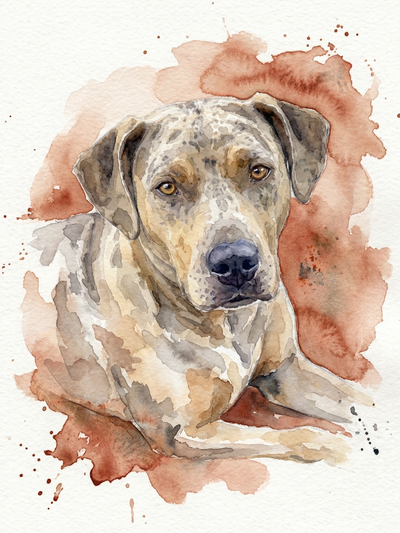
The British Shorthair is the cat that the Cheshire Cat was based on — Lewis Carroll is thought to have drawn on the breed's round face, dense plush coat and expression of serene, slightly amused self-possession when describing the cat that could disappear leaving only its smile behind. Whether or not this is true, the British Shorthair's face does have a quality that lingers — the broad round skull, the full cheeks, the dense plush coat and the copper or gold eyes that look out from the circular face with absolute composure. A portrait of a British Shorthair is a portrait of a cat at peace with the world.
Coat colours and how they render
British Shorthairs come in a very wide range of colours, with blue (grey) being the most iconic and widely recognised. The coat is always the same — dense, plush and standing away from the body slightly, giving the cat a rounded, teddy-bear quality.
Blue British Shorthairs — the classic colour — produce portraits of great atmospheric quality. The solid blue-grey coat in watercolour has a coolness and softness that suits the medium's loose, luminous quality perfectly. In oil painting the blue coat takes on subtle warm and cool undertones that give the portrait unexpected depth.
Golden and silver British Shorthairs — where the coat has a warm golden or cool silver tipping — produce some of the most beautiful watercolour results in the cat portrait range. The tipped coat has a quality of shimmering light that the loose washes of watercolour capture naturally.
Black British Shorthairs produce formal, dramatic results in Old Masters and oil painting styles. The deep plush coat against a dark background creates portraits of great presence.
White British Shorthairs suit pastel and watercolour — the bright coat in these styles having a luminosity that suits the breed's clean, rounded appearance.
Recommended styles for British Shorthairs
Watercolour — the most natural choice for blue and golden British Shorthairs. Oil Painting — particularly beautiful for black and blue British Shorthairs. Pastel — suits the breed's rounded, soft character across all colours. Renaissance — the self-possessed bearing of the British Shorthair suits the formal portrait tradition. Old Masters — for the British Shorthair whose expression suggests they have seen everything and remain unimpressed.
Photo tips
The round face is the defining portrait feature of the British Shorthair and should be shown at its fullest — a front-facing photo at eye level, with both eyes clearly visible, captures the characteristic roundness of the skull and the fullness of the cheeks. The plush coat benefits from natural light that shows its standing, dense texture. British Shorthairs are naturally calm and tend to photograph well — the challenge is capturing an alert expression rather than the heavy-lidded look of a cat deeply relaxed.