
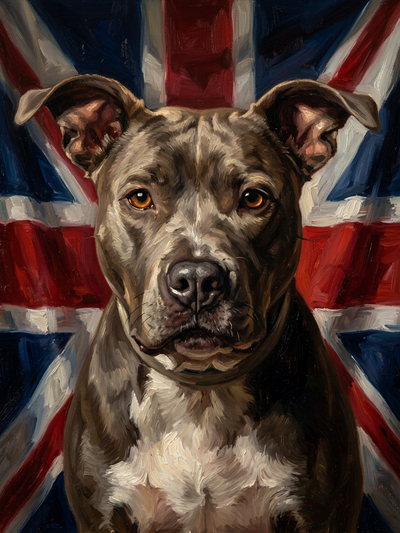
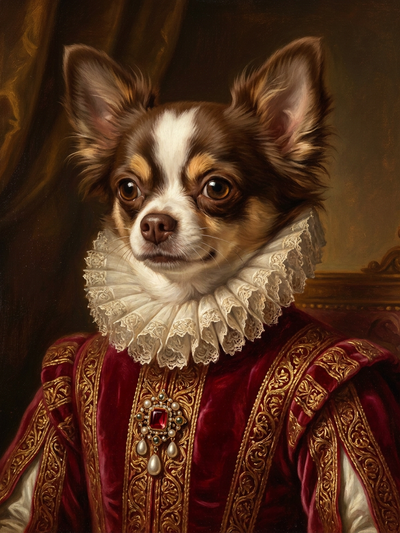
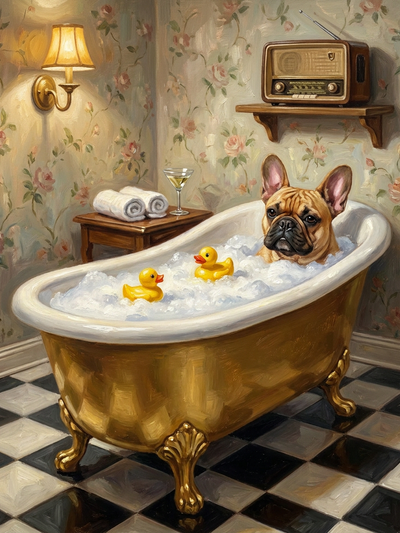
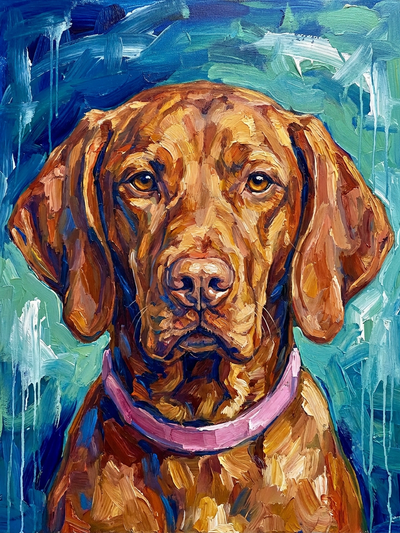
Black cats are the most photographically challenging of all cat colours and the most rewarding portrait subjects for exactly this reason. A photograph of a black cat is almost always a disappointment — the coat collapses into a flat dark shape, the features disappear into the fur, and the individual animal that owners know intimately becomes an anonymous silhouette. A portrait handles black cats entirely differently. Where a photograph struggles to find detail in the darkness, a portrait builds it — using the directional light logic of the painting tradition to find the planes of the face, the texture of the coat, the specific quality of the eyes. A black cat portrait reveals the animal that the photo always obscures.
Coat colours and how they render
Black cats are always solid black, but the quality of the black varies — some cats have a pure, matte black coat, others have a slight rusty tinge in bright sunlight, and many have a barely visible ghost tabby pattern that becomes apparent in strong raking light. The coat texture varies between short and sleek, medium, and long and flowing, each producing different portrait results.
Short-coated black cats produce the most formal portrait results. In Old Masters and oil painting the sleek black coat creates a surface that catches warm reflected light at its highest points — the top of the head, the shoulders, the cheeks — while the recessed areas hold deep shadow. The face is built from this interplay of warm highlights and cool shadow.
Long-haired black cats — Persians, Maine Coons, Siberians — have a coat that catches light across a wider surface area, giving the portrait more to work with. The flow of a long black coat in oil painting has a quality of dark richness that short coats cannot quite match.
Yellow or amber eyes against a black coat create the most striking portrait focal point. Green eyes provide a cooler contrast. In every case the eyes are the primary subject of the portrait and the coat builds around them.
Recommended styles for black cats
Old Masters — the natural home of the dark-coated subject. Black cats in this style produce portraits of extraordinary presence. Oil Painting — builds the face from warm highlights and cool shadow in the dark coat. Noir — the black coat and the atmospheric quality of the style were made for each other. Renaissance — the formal tradition handles the black cat's natural elegance and mystery. Silhouette and Sunset — the black cat's shape against a glowing background creates portraits of immediate visual impact.
Photo tips
Black cats require the most careful photography of any cat colour. The most important rule is simple: photograph in good natural light and never use flash. Flash on a black cat creates a flat, featureless shape with no detail. Natural front-facing light from a window on an overcast day gives the best results — the soft, even light picks out the facial features and the subtle tonal variation in the coat without creating harsh shadows. The eyes must be clearly lit and in sharp focus — they are the anchor of every black cat portrait.